The Oatmeal That Broke TikTok’s Brain
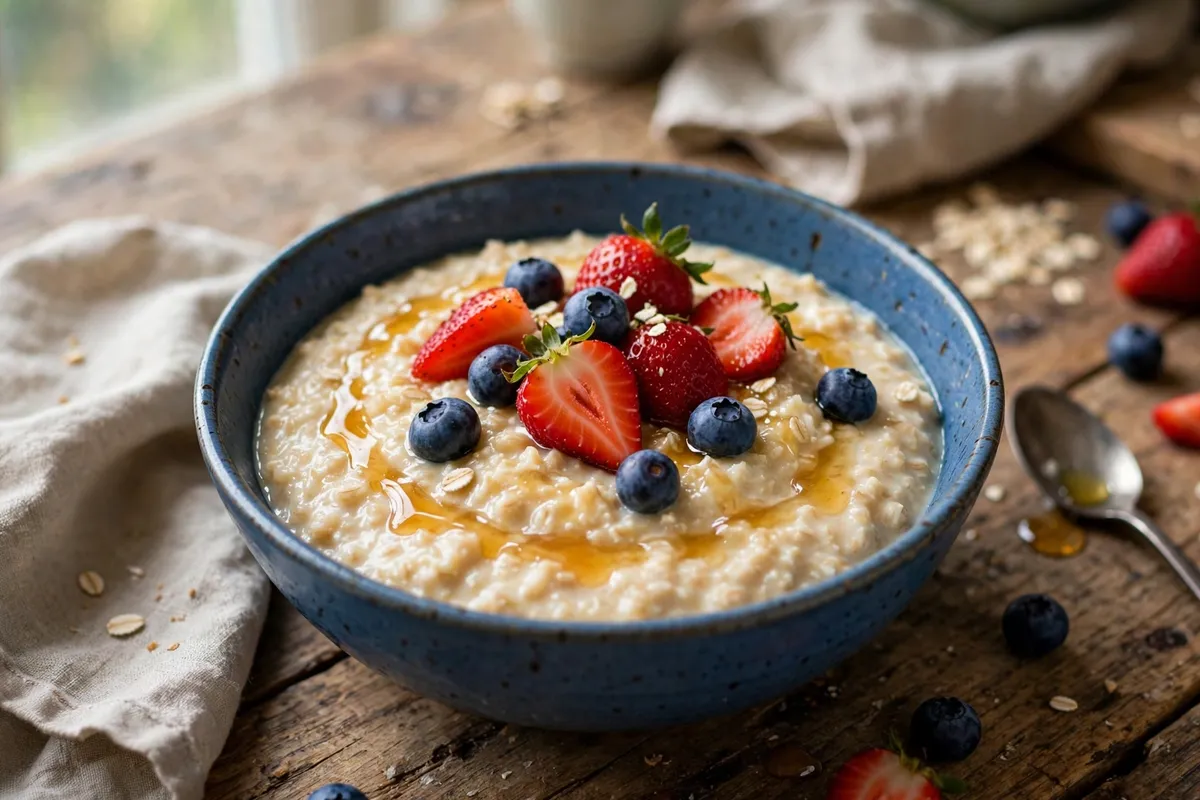
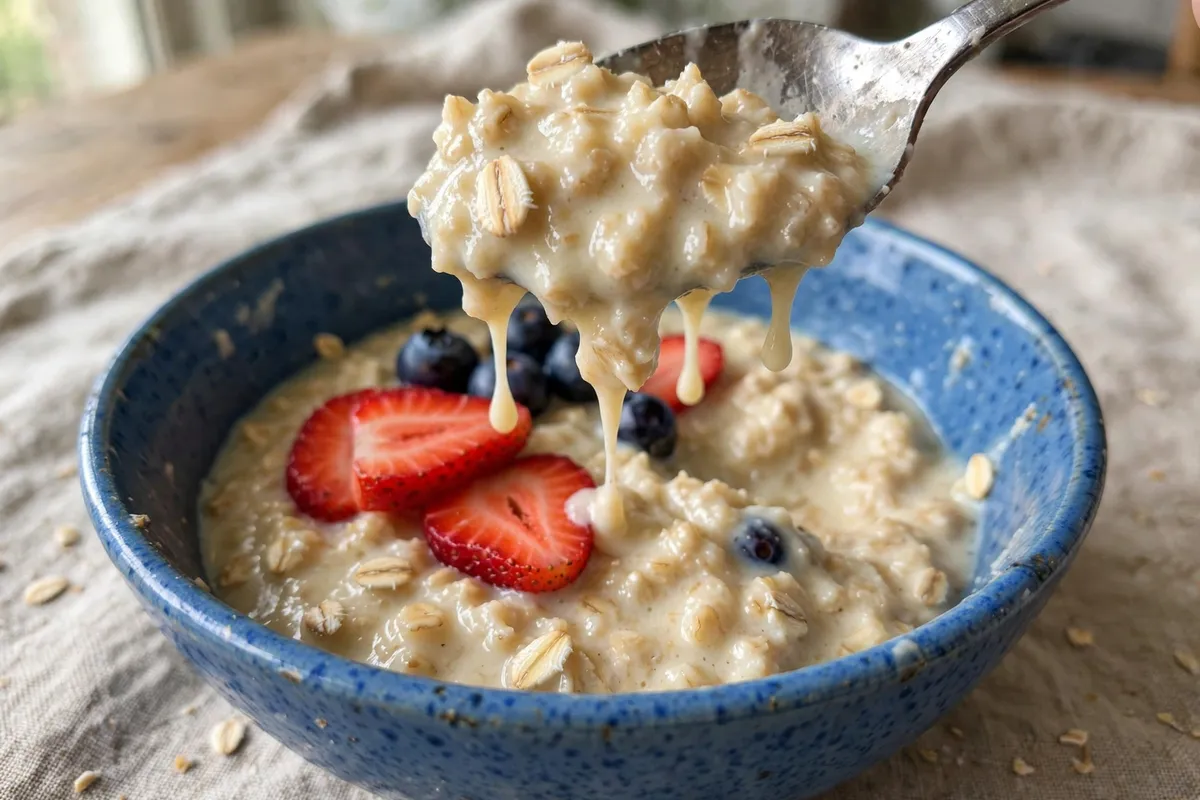
You have seen the videos: someone cracks an egg into a pot of simmering oats, gives it one confident stir, and the whole thing turns into something that looks like a bowl of vanilla custard. Viral Custard Oats racked up hundreds of millions of views across TikTok and Facebook for a simple reason — a stovetop trick that transforms plain oatmeal into a thick, spoon-standing, dessert-creamy bowl with 30 grams of protein per serving, about 360 calories, and a texture no overnight oat can touch. It is ready in 15 minutes, in one pot.
The trick is almost embarrassingly simple: you whisk an egg into hot oats as they cook. The egg never scrambles — it emulsifies, the way eggs turn milk into custard in a real custard base. Add Greek yogurt and a scoop of vanilla protein powder, finish with berries and a drizzle of honey, and you have a breakfast that eats like dessert and keeps you full until lunch.
Why It Works: The Protein Sources
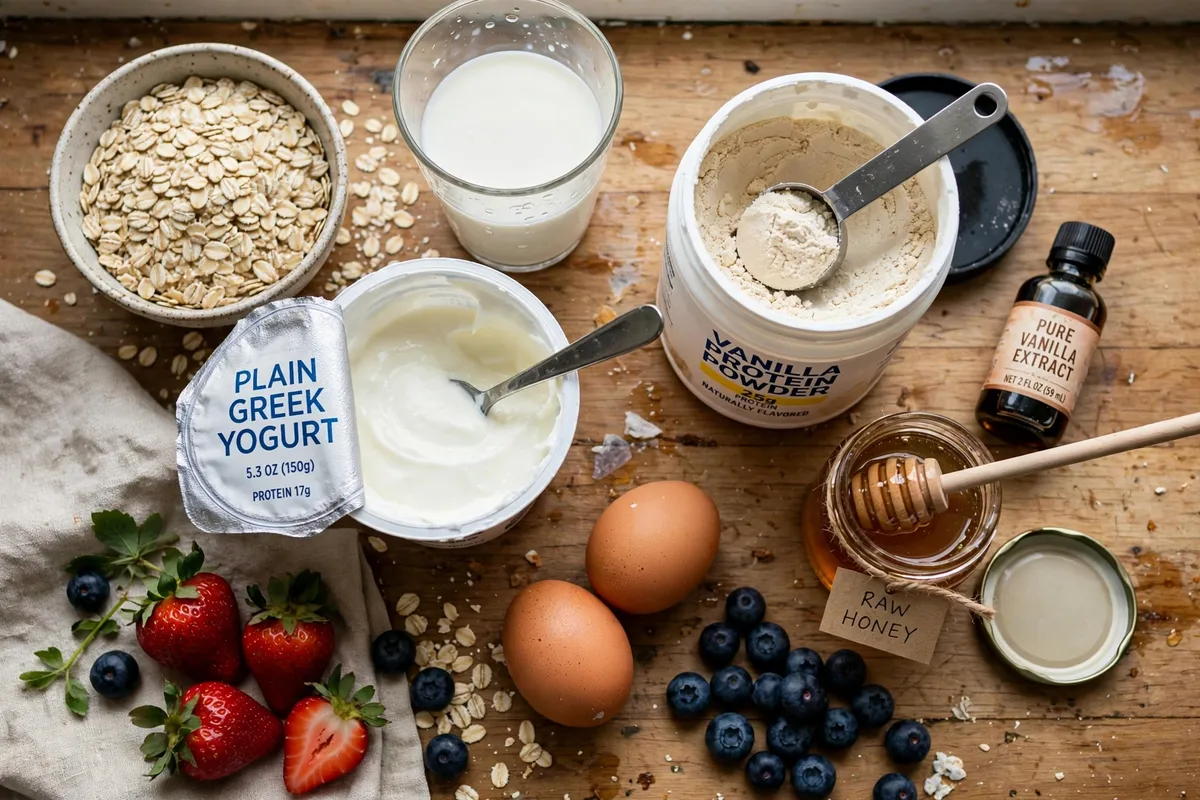
This bowl looks like dessert, but its 30 grams of protein per serving are built from four solid sources:
- Whey protein powder (the heavyweight): One scoop contributes about 24 grams of protein to the batch — roughly 40% of the recipe’s total protein. Vanilla whey melts into the hot oats and is what gives the custard its vanilla-ice-cream flavor.
- Greek yogurt (the tang): Half a cup of nonfat Greek yogurt adds about 12 grams of protein per batch. Stirred in off the heat, it cools the oats slightly and adds a cheesecake-like tang and silkiness.
- Rolled oats (the base): One cup of rolled oats contributes about 11 grams of protein, plus 8 grams of fiber for the whole batch — most of the recipe’s staying power comes from here.
- Egg and milk (the custard): One large egg and one cup of milk add another 14 grams of protein combined, plus the fat and lecithin that make the whole bowl emulsify into actual custard.
Ingredients
Serves 2 · Prep 5 minutes · Cook 10 minutes · Total 15 minutes
- 1 cup rolled oats (old-fashioned, not instant)
- 1 cup milk (whole or 2%)
- 1/2 cup water
- 1 large egg
- 1/2 cup plain Greek yogurt (nonfat or 2%)
- 1 scoop (30g) vanilla whey protein powder
- 1 tbsp honey, plus more for drizzling
- 1/2 tsp vanilla extract
- 1/2 tsp ground cinnamon
- Pinch of salt
- Fresh berries and sliced banana, to serve
Equipment
- Medium saucepan
- Whisk (a whisk, not a spoon — this matters)
- Small bowl for the egg mixture
- Two serving bowls
Step-by-Step Method
- Temper the egg first. In a small bowl, whisk the egg with 2 tablespoons of the milk until completely smooth. Set aside. This pre-mixing step is the entire secret — a whole egg dropped straight into hot oats will scramble, but a thinned-out egg mixture blends in seamlessly.
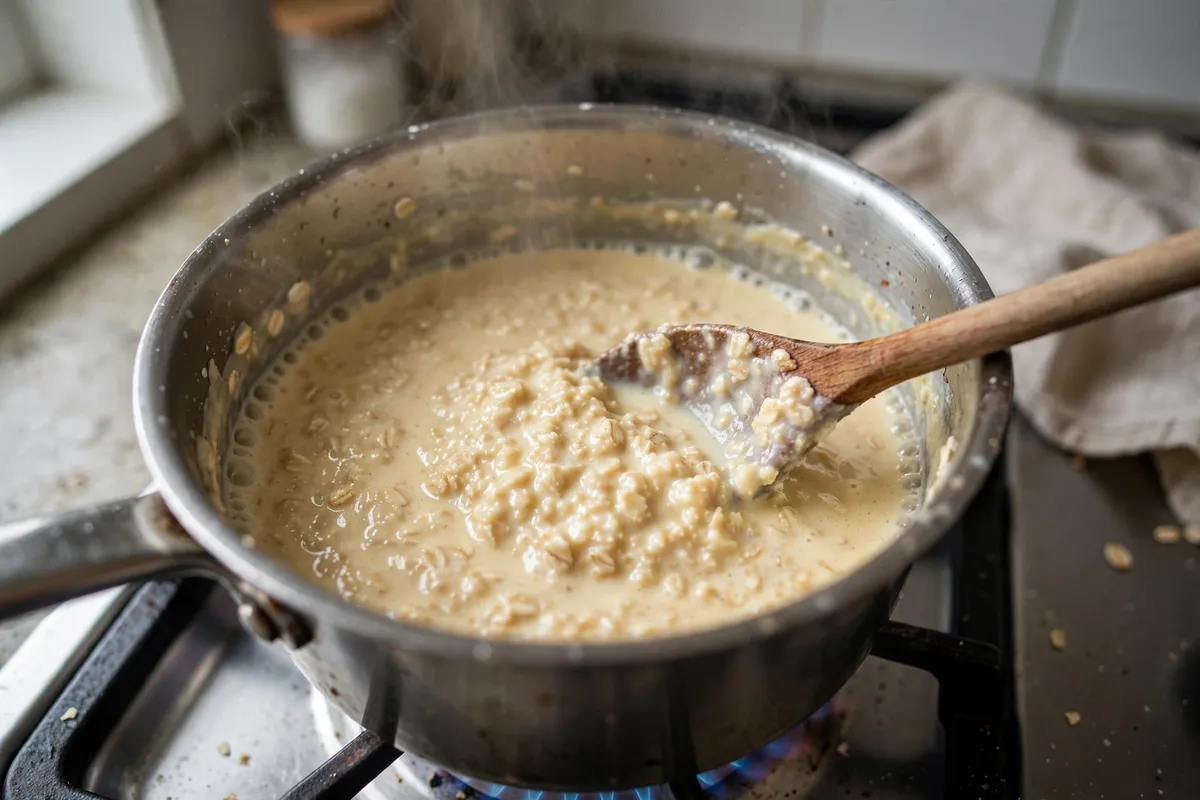
- Cook the oats. Combine the rolled oats, remaining milk, water, cinnamon, and salt in the saucepan. Bring to a gentle boil over medium heat, stirring often, then reduce to a low simmer. Cook 4–5 minutes until the oats are soft and thick, with visible liquid still moving between them. If the oats absorb all the liquid and look dry, add a splash more water — you need that free liquid for the custard to form.
- Temper with hot oats. Take the saucepan off the heat. Scoop 2–3 spoonfuls of the hot oats into the egg mixture, whisking constantly. This raises the egg’s temperature gradually so it cannot seize when it hits the full pot.
- Whisk in the egg. Pour the warmed egg mixture back into the saucepan, whisking fast and continuously for 60 seconds. Put the pan back over the lowest possible heat and keep whisking for 1–2 more minutes. You will feel and see it change: the oats turn glossy, thick, and spoon-coating, like a loose vanilla custard. Do not stop whisking — motion is what keeps the egg smooth.
- Finish with yogurt and protein powder. Remove from the heat. Whisk in the Greek yogurt and vanilla protein powder until completely smooth — no lumps. Stir in the honey and vanilla extract. If the bowl is thicker than you like, whisk in a splash of milk until it pours slowly off the whisk.
- Serve warm. Divide between two bowls while hot. Top with fresh berries, sliced banana, an extra drizzle of honey, and a pinch of cinnamon. Eat immediately — custard oats firm up as they sit, which is also what makes leftovers reheat so well.
Nutrition Estimates (Per Serving)
Calculated from the ingredient amounts above, for 2 servings:
- Calories: ~360
- Protein: 30g
- Fat: 10g
- Total carbs: 46g
- Fiber: 4g
- Sugar: 17g
That is roughly one-third of calories from protein — comparable to a chicken breast, in a bowl of oatmeal. For a lighter bowl, drop the protein powder to save about 60 calories and 12 grams of protein per serving; the egg and yogurt alone still give you about 18 grams of protein per bowl.
Tips for Perfect Custard Oats
- Never skip the tempering. The two-step temper (thin the egg with milk, then warm it with hot oats) is what separates custard from scrambled oats. It takes 30 seconds and is the whole recipe.
- Keep the oats loose before the egg goes in. If the oats are dry when you add the egg, there is no liquid for it to blend with, and you get scrambled bits. When in doubt, add water.
- Low heat after the egg is in. A hard boil will curdle the egg no matter how well you temper. Gentle heat and constant whisking give you silk.
- Protein powder goes in off the heat. Whey protein clumps and turns rubbery in boiling liquid. Stir it in with the yogurt at the end and it dissolves perfectly.
- A whisk, not a spoon. A spoon pushes the egg around; a whisk breaks it into the oats. The viral videos all show vigorous whisking for a reason.
5 Variations to Try
- Chocolate custard oats: Swap the vanilla protein powder for chocolate, add 1 tablespoon of cocoa powder with the oats, and top with raspberries. Still about 30g protein per serving.
- Apple pie custard oats: Stir in half a diced apple during the last 2 minutes of cooking, and finish with extra cinnamon and a pinch of nutmeg. Adds about 40 calories per serving.
- Peanut butter cup oats: Whisk 1 tablespoon of peanut butter in with the yogurt and protein powder at the end, and top with banana slices. Adds about 50 calories and 2g protein per serving.
- Lemon blueberry oats: Add 1 teaspoon of lemon zest with the vanilla extract and load up on fresh blueberries — a bright, cheesecake-like bowl.
- Overnight-style meal prep: Cook the full recipe, refrigerate in two jars, and reheat with a splash of milk in the microwave. The custard sets overnight and reheats silkier than regular oats — 4 days of breakfast in one pot.
Storage
Custard oats are at their silkiest the minute they leave the pot, but they are one of the rare oat recipes that reheat genuinely well. Refrigerate in airtight containers for up to 4 days. Reheat in the microwave with a splash of milk (about 2 tablespoons per serving), stirring halfway — the custard re-forms as it warms. Do not freeze; the egg-set custard turns grainy after thawing. Add fresh fruit toppings only after reheating.
FAQs
Will the egg make my oats taste eggy?
No — one egg in two servings of oats disappears completely into the custard texture. What you taste is vanilla, honey, and the richness of a creamy custard. If you are nervous, use only the yolk: it adds all the custard body with zero chance of any egg flavor.
Can I make this without protein powder?
Yes. Skip the powder and each serving drops to about 18 grams of protein — still excellent for oatmeal, thanks to the egg, yogurt, and milk. Add an extra tablespoon of honey if you miss the sweetness the vanilla powder brings.
Why did my oats scramble?
Almost always one of two things: you added the egg to dry, over-thick oats with no free liquid, or the heat was too high after the egg went in. Next time, keep the oats visibly loose (add water), temper the egg properly, and stay on the lowest heat while whisking.
Can I use steel-cut oats?
You can, but the custard effect works best with rolled oats, which release their starch quickly. If you use steel-cut, cook them for 20–25 minutes first until very soft and loose, then proceed with the tempered egg. Instant oats work too — reduce the water slightly and cook only 2–3 minutes.
Is this safe to eat? The egg isn’t fully cooked.
The egg is fully cooked. Tempering brings it near 160°F/71°C, and the final 1–2 minutes of whisking over low heat in the hot oats brings the whole pot well past the temperature needed to set and cook the egg — you can see it happen as the mixture thickens into custard.
Can I make it dairy-free?
Yes. Use oat or almond milk, a dairy-free Greek-style yogurt, and a plant-based protein powder. The custard still forms because the egg is doing the structural work — expect a slightly thinner result, so reduce the water by 2 tablespoons.
Final Thoughts
Most viral breakfast recipes are novelties that wear off after one try. Custard oats is the opposite: it is a genuine technique upgrade. Once you learn to temper an egg into hot oats, plain oatmeal will never feel worth making again — it takes no extra skill, no special equipment, and about 60 extra seconds, and it turns the humblest breakfast pantry staple into something that keeps you full until lunch. Make it once exactly as written, then start riffing.
You May Also Like
- Viral Protein Overnight Oats (5-Minute Prep, 30g+ Protein!) — the no-cook protein oats to make the night before
- Viral Japanese Yogurt Cheesecake (No-Bake, 12g Protein!) — another yogurt-powered viral dessert sensation
- Cottage Cheese Protein Ice Cream (Viral, 3 Ingredients!) — the viral frozen treat to pair with warm oats