
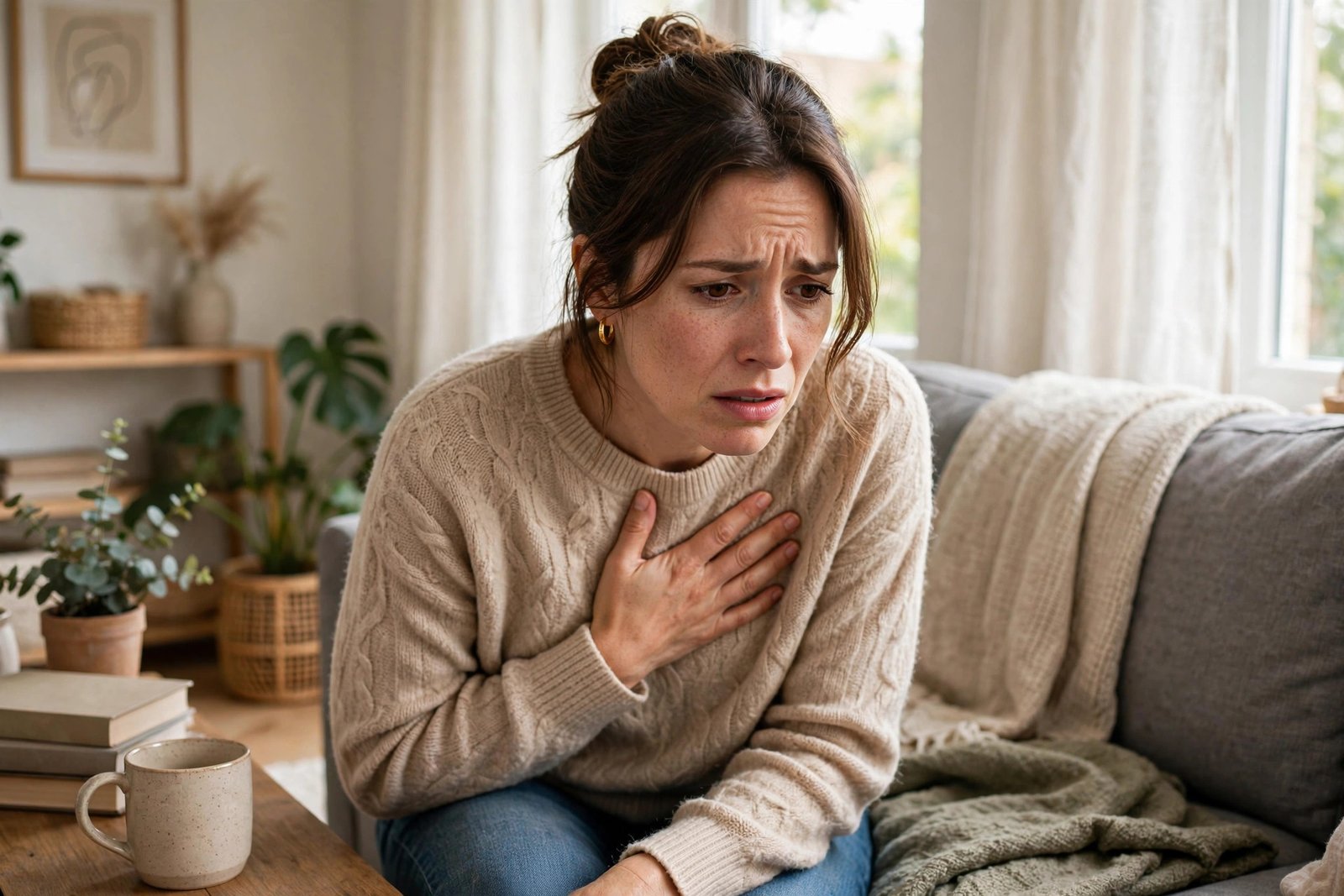
Heart Attack Signs in Women Are Different — Here’s What to Know
When most people picture a heart attack, they imagine a man clutching his chest in sudden pain. But in women, heart attacks often look completely different — and that’s exactly why so many are missed.
Doctors say women are more likely to experience subtle, confusing symptoms. Here are the signs you need to know.
1. Unusual Fatigue
Overwhelming, unexplained tiredness — even after rest — is one of the most commonly missed signs in women. Many describe feeling completely drained for days before a heart attack, brushing it off as stress or lack of sleep.
2. Chest Discomfort (Not Always Pain)
Women may not feel the dramatic “elephant on the chest” pain. Instead, it can be a feeling of pressure, squeezing, fullness, or aching in the center of the chest. It may come and go, which makes it easy to dismiss.
3. Pain in the Back, Neck, or Jaw
Pain that spreads to the upper back, neck, jaw, or stomach — without obvious chest pain — is a classic female heart attack symptom. Many women mistake it for muscle strain or dental problems.
4. Shortness of Breath
Feeling winded after minimal activity, or struggling to catch your breath while resting, can signal the heart isn’t pumping efficiently. This sometimes appears with or without chest discomfort.
5. Nausea or Lightheadedness
Breaking out in a cold sweat, feeling nauseous, or becoming dizzy are frequently reported by women during a heart attack. These flu-like symptoms cause many to delay seeking help.
6. Pain in One or Both Arms
While arm pain is known in men too, women often feel it as a dull ache or heaviness rather than sharp pain — and it can affect either arm, not just the left.
Why Are Women’s Symptoms Missed?
Research shows women’s heart attack symptoms are more likely to be misdiagnosed or dismissed — sometimes even by doctors. The classic “Hollywood heart attack” was modeled on male symptoms, leaving women’s subtler signs underrecognized for decades.
The result: women wait longer to seek help, and face worse outcomes.
What Should You Do?
If you notice several of these signs together — especially unusual fatigue with chest discomfort, breathlessness, or nausea — don’t wait to see if it passes. Doctors say every minute matters.
Share this with the women in your life. It could save one.
Frequently Asked Questions
What is the most common heart attack symptom in women?
Chest discomfort (pressure or aching rather than sharp pain), often combined with unusual fatigue, shortness of breath, or nausea.
Can a heart attack feel like the flu?
Yes — nausea, cold sweats, and lightheadedness are common in women and are often mistaken for a stomach bug or flu.
Why do women have different symptoms?
Differences in heart size, hormones, and how plaque builds up in arteries contribute to women experiencing more subtle, spread-out symptoms.
At what age should women worry?
Risk rises after menopause, but heart attacks can happen at any age — especially with risk factors like high blood pressure, diabetes, or smoking.
What should I do if I suspect a heart attack?
Call emergency services immediately. Don’t drive yourself, and don’t wait to see if symptoms improve.
Final Thoughts
A woman’s heart attack doesn’t always look like the movies. Fatigue, jaw pain, nausea, breathlessness — these quiet signs speak loudly if you know how to listen.
Send this to someone you love. Awareness saves lives.