
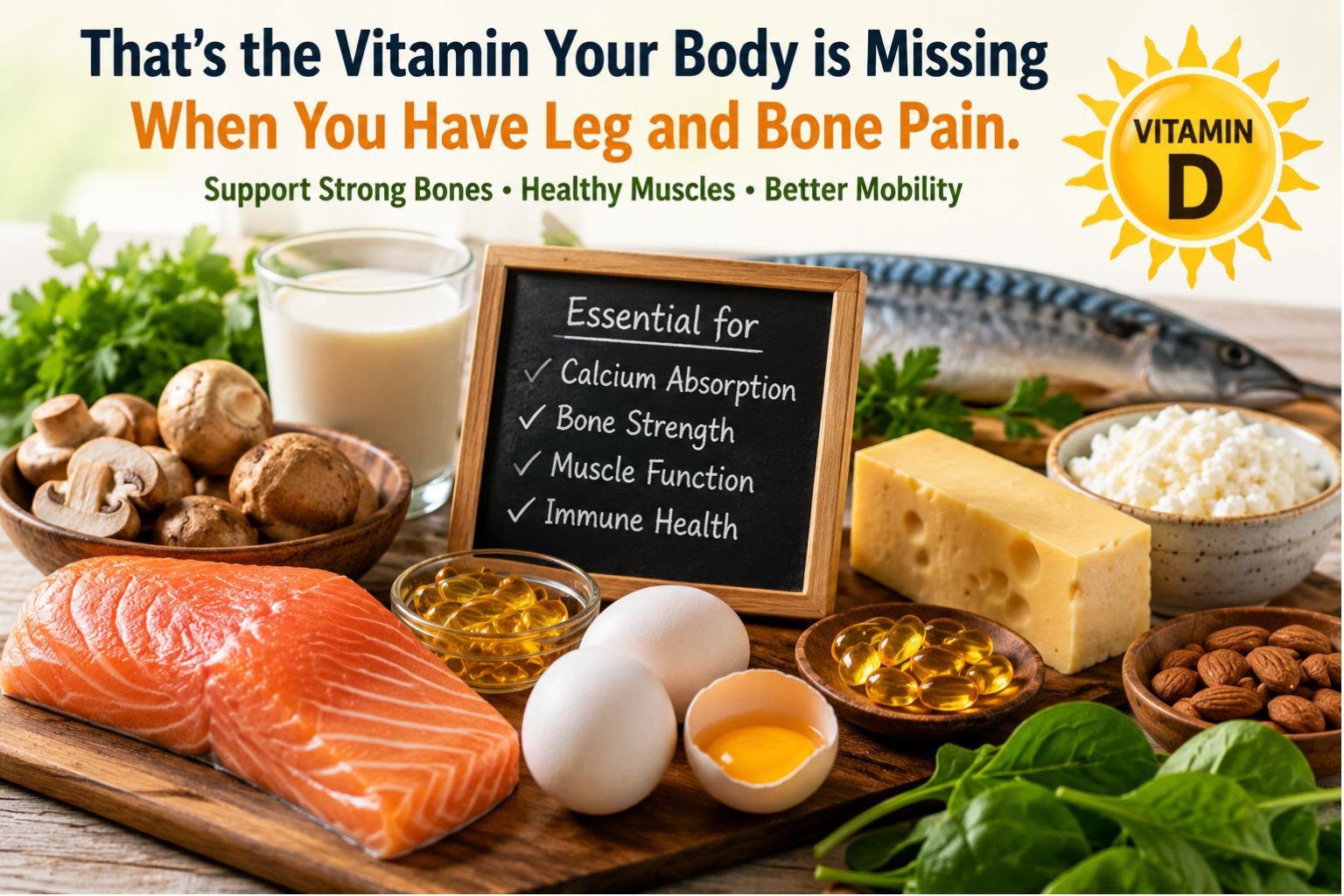
Understanding the Connection Between Nutrition and Bone Health
Many people experience aching legs, sore bones, or muscle discomfort from time to time, particularly as they grow older or spend long hours standing, walking, or sitting. While occasional aches are common, persistent discomfort can interfere with everyday activities such as climbing stairs, exercising, or even getting a good night’s sleep.
Although leg and bone pain can have many different causes, nutrition is one important factor that often gets overlooked. Certain vitamins and minerals play essential roles in maintaining healthy bones, muscles, and joints. When your body doesn’t get enough of these nutrients, it may affect how your musculoskeletal system functions.
One nutrient that receives a great deal of attention is vitamin D. Often called the “sunshine vitamin,” vitamin D helps your body absorb calcium, one of the primary building blocks of strong bones. But vitamin D isn’t the only nutrient involved. Calcium, magnesium, vitamin K, and manganese also work together to support bone strength and normal muscle function.
This article explores the role these nutrients play, practical ways to include them in your daily routine, and healthy lifestyle habits that may help support long-term bone and muscle health.
Why Leg and Bone Discomfort Happens
Leg and bone discomfort doesn’t always have a single cause. Many everyday factors can contribute to these symptoms, including:
- Age-related changes
- Physically demanding work
- Long periods of standing or sitting
- Intense exercise
- Muscle fatigue
- Poor posture
- Previous injuries
- Nutritional deficiencies
Because there are so many possible causes, it’s important not to assume that one vitamin is responsible for every ache or pain. Persistent or severe discomfort should always be evaluated by a healthcare professional.
Why Vitamin D Matters
Vitamin D is one of the most important nutrients for maintaining healthy bones.
Its primary role is helping the body absorb calcium from the foods you eat. Without enough vitamin D, your body cannot use calcium efficiently, which may affect bone strength over time.
Vitamin D also supports:
- Normal muscle function
- Immune system health
- Bone mineralization
- Overall skeletal health
Many adults have lower-than-optimal vitamin D levels, particularly during winter months or if they spend most of their time indoors.
Signs That May Be Associated with Low Vitamin D
Vitamin D deficiency doesn’t always cause obvious symptoms.
Some people with low levels may experience:
- Muscle weakness
- General fatigue
- Bone discomfort
- Reduced physical performance
However, these symptoms can also result from many other health conditions. The only reliable way to determine your vitamin D status is through appropriate medical testing.
Other Nutrients That Support Healthy Bones
While vitamin D is important, healthy bones depend on a combination of nutrients.
Calcium
Calcium is the primary mineral stored in bones.
Good dietary sources include:
- Milk
- Yogurt
- Cheese
- Fortified plant-based milk
- Sardines
- Tofu
Magnesium
Magnesium contributes to normal muscle and nerve function.
Foods rich in magnesium include:
- Spinach
- Pumpkin seeds
- Almonds
- Whole grains
- Black beans
Vitamin K
Vitamin K supports normal bone metabolism.
You can find it in:
- Kale
- Broccoli
- Brussels sprouts
- Spinach
- Cabbage
Manganese
Manganese contributes to the maintenance of normal bones and connective tissue.
Sources include:
- Nuts
- Whole grains
- Brown rice
- Beans
- Cloves
Can Everyday Spices Like Cloves Help?
Cloves are a flavorful spice commonly used in both sweet and savory recipes.
Although consumed in small amounts, cloves naturally contain manganese along with antioxidant plant compounds.
Adding cloves to your meals or beverages can contribute small amounts of beneficial nutrients as part of a varied and balanced diet.
However, cloves should not be considered a treatment for bone pain or vitamin deficiencies.
Foods Naturally Rich in Vitamin D
Vitamin D is found in relatively few foods compared with many other vitamins.
Some excellent dietary sources include:
- Salmon
- Sardines
- Tuna
- Egg yolks
- Fortified milk
- Fortified breakfast cereals
- Fortified yogurt
Sunlight also helps your skin produce vitamin D naturally.
Safe Sun Exposure
Sunlight is one of the body’s primary sources of vitamin D.
How much vitamin D your body produces depends on factors such as:
- Season
- Geographic location
- Time of day
- Skin tone
- Sunscreen use
Because excessive sun exposure increases the risk of skin damage, it’s important to balance sun exposure with proper skin protection.
Healthy Habits That Support Bone and Muscle Health
Good nutrition is only part of maintaining healthy bones.
Other healthy habits include:
Stay Active
Weight-bearing exercises help maintain strong bones.
Examples include:
- Walking
- Hiking
- Dancing
- Resistance training
Eat a Balanced Diet
Choose meals that include:
- Fruits
- Vegetables
- Lean protein
- Whole grains
- Healthy fats
Stay Hydrated
Proper hydration supports muscle function and overall health.
Get Enough Sleep
Quality sleep allows your body to recover and maintain healthy tissues.
Avoid Smoking
Smoking has been associated with poorer bone health over time.
Easy Bone-Friendly Breakfast Idea
Start your day with foods naturally rich in bone-supporting nutrients.
Ingredients
- Greek yogurt
- Fresh berries
- Chopped almonds
- Pumpkin seeds
- Fortified whole-grain cereal
This breakfast provides protein, calcium, magnesium, and other beneficial nutrients.
When Should You See a Healthcare Professional?
Occasional muscle soreness after activity is common.
However, you should seek medical advice if you experience:
- Persistent bone pain
- Severe leg pain
- Swelling
- Difficulty walking
- Pain after an injury
- Muscle weakness that continues
A healthcare provider can determine the underlying cause and recommend appropriate testing or treatment.
Frequently Asked Questions
Can Vitamin D Cure Leg Pain?
No. While vitamin D supports healthy bones and muscles, leg pain has many possible causes and is not always related to vitamin D levels.
Should I Take Vitamin D Supplements?
Supplements should be taken based on your individual needs and healthcare provider’s recommendations.
Are Cloves Good for Bone Health?
Cloves contain manganese, which contributes to normal bone maintenance, but they should be enjoyed as part of a balanced diet rather than viewed as a treatment.
Can Diet Alone Prevent Bone Problems?
Healthy eating is important, but regular exercise, adequate sleep, lifestyle habits, genetics, and medical conditions also influence bone health.
Final Thoughts
Healthy bones and muscles rely on a combination of nutrients, physical activity, and overall healthy lifestyle habits. Vitamin D plays a vital role in helping your body absorb calcium, while calcium, magnesium, vitamin K, and manganese all contribute to normal bone maintenance and muscle function.
Rather than relying on a single “miracle” nutrient, focus on eating a balanced diet rich in whole foods, staying active, getting enough sleep, and following your healthcare provider’s recommendations. Small, consistent healthy habits often have the greatest long-term impact on overall well-being.