
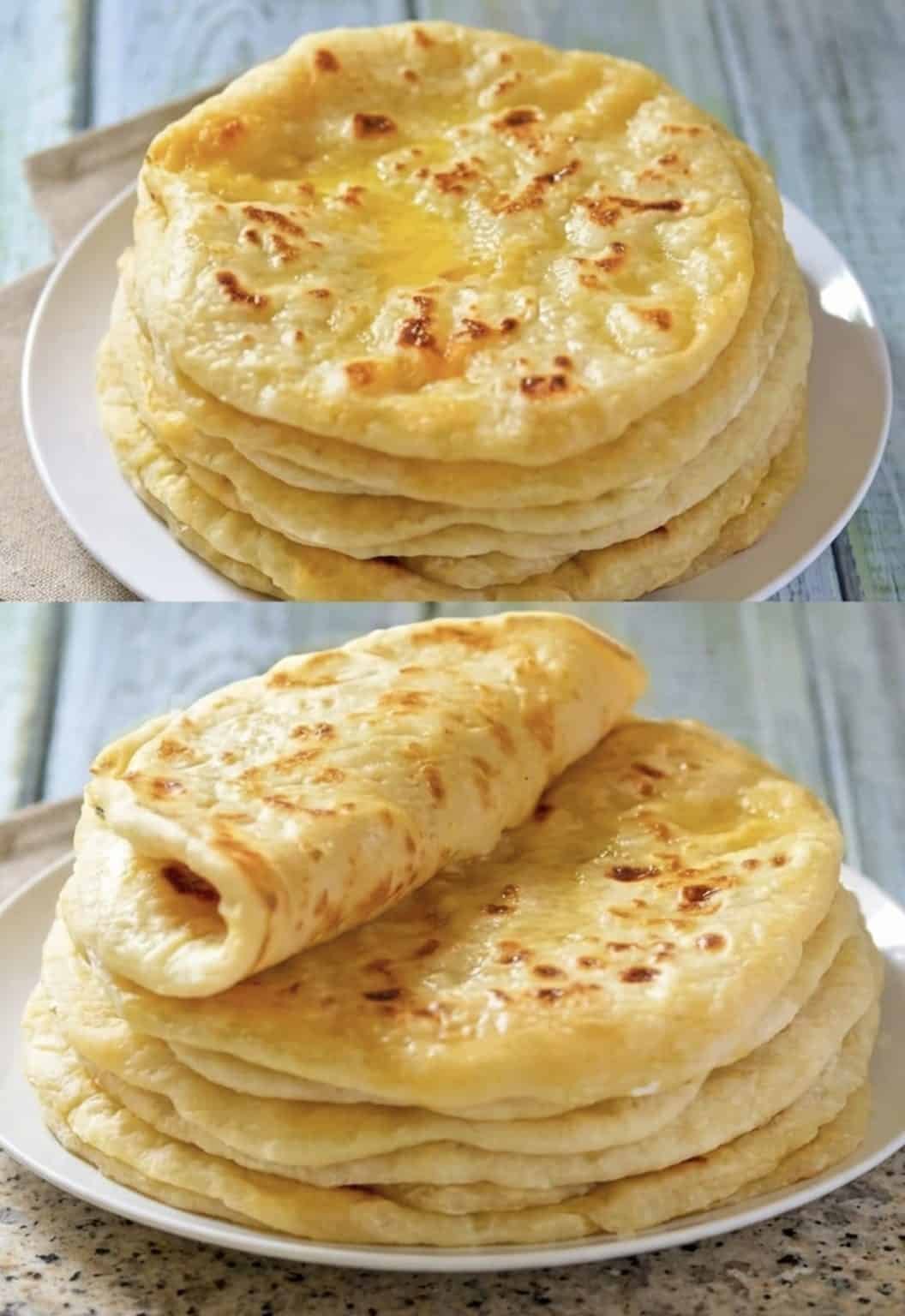
If you love freshly baked bread that’s soft on the inside, lightly golden on the outside, and incredibly easy to make, this Fluffy Turkish Bread is a recipe you’ll want to try.
Made with simple pantry ingredients, this homemade bread has a wonderfully soft and airy texture. Warm milk and olive oil help create a tender dough, while instant yeast gives the bread its beautiful rise. The optional egg-yolk topping and sesame or nigella seeds add a golden finish and a little extra texture.
The original recipe makes two small round or oval breads and bakes them at 425°F for just 10–12 minutes.
Table of Contents
ToggleWhy You’ll Love This Turkish Bread
This bread is much easier than it looks.
You don’t need complicated ingredients or special baking equipment. The dough comes together with flour, yeast, sugar, salt, warm milk, warm water, and olive oil.
After one rise, the dough is divided into two pieces, shaped, brushed with an optional egg-yolk mixture, and baked until puffed and lightly golden.
The finished bread is soft, fluffy, and perfect for serving alongside soups, stews, grilled meats, dips, or breakfast dishes.
Ingredients You’ll Need
For the Bread
- 3 cups (375 g) all-purpose flour
- 1 tablespoon sugar
- 1 teaspoon salt
- 2 1/4 teaspoons (7 g) instant dry yeast
- 3/4 cup (180 ml) warm milk
- 1/4 cup (60 ml) warm water
- 3 tablespoons olive oil
Optional Topping
- 1 egg yolk
- 1 tablespoon milk
- Sesame seeds or nigella seeds
These are the ingredients listed in the original recipe.
How to Make Fluffy Turkish Bread
1. Activate the Yeast
Add the warm milk, warm water, sugar, and instant yeast to a large mixing bowl.
Stir gently to combine.
Let the mixture sit for about 5–7 minutes, until it becomes slightly foamy.
The milk and water should be warm rather than hot. Extremely hot liquid can damage the yeast.
2. Make the Dough
Add the olive oil and salt to the yeast mixture.
Begin adding the flour gradually, stirring as you go.
Continue mixing until a soft dough forms.
The dough should come together without being excessively stiff.
3. Knead the Dough
Transfer the dough to a lightly floured surface.
Knead it by hand for approximately 8–10 minutes.
If you’re using a stand mixer, knead for about 5 minutes.
The dough should become smooth, soft, and elastic.
Don’t worry if it feels slightly tacky at first. Give the dough enough time to develop before adding large amounts of extra flour.
4. Let the Dough Rise
Lightly oil a clean bowl.
Place the dough inside and turn it once so the surface gets a light coating of oil.
Cover the bowl with a clean kitchen towel or plastic wrap.
Place it somewhere warm and let the dough rise for approximately 1 hour, or until it has doubled in size.
The exact rising time can vary depending on the temperature of your kitchen.
5. Divide and Shape
Once the dough has doubled, gently press out some of the excess air.
Divide the dough into two equal pieces.
Gently flatten each piece into a round or oval shape.
Don’t handle the dough too aggressively. Keeping some of the air inside helps produce a lighter finished bread.
6. Prepare the Optional Topping
If you’d like a golden, slightly shiny crust, whisk together the egg yolk and 1 tablespoon of milk.
Brush this mixture gently over the surface of each shaped loaf.
Sprinkle with sesame seeds or nigella seeds if desired.
The seeds are optional, but they give the bread a traditional-looking finish and a subtle nutty flavor.
7. Bake
Preheat your oven to 425°F (220°C).
Place the shaped breads on a baking sheet.
Bake for approximately 10–12 minutes, or until the breads are puffed and lightly golden.
Because the bread is relatively small and the oven temperature is high, keep an eye on it during the final few minutes.
You want a beautiful golden surface without overbaking the bread.
8. Let It Rest
Remove the bread from the oven.
Allow it to rest for a few minutes before serving.
The bread will be extremely hot immediately after baking, and giving it a short rest allows the interior to settle.
Then tear into it while it’s still warm.
What Makes This Bread So Fluffy?
There are a few important factors behind the soft texture.
Warm Milk
Milk adds richness and helps create a tender crumb.
Olive Oil
Olive oil contributes moisture and keeps the bread soft rather than dry.
Proper Kneading
Kneading develops the gluten structure that allows the dough to trap air as it rises.
A Full First Rise
Allowing the dough to double in size gives the yeast enough time to create the air pockets that make the bread light.
The original recipe recommends approximately one hour for the first rise.
Sesame Seeds or Nigella Seeds?
Both are excellent.
Sesame seeds provide a mild, nutty flavor and a little crunch.
Nigella seeds have a more distinctive earthy, slightly peppery flavor and are commonly used as a topping for breads.
You can also use both together.
If you don’t have either, simply leave the bread plain.
Tips for the Best Turkish Bread
Don’t make the milk too hot. Warm is enough.
Add flour gradually. You may not need exactly the same amount depending on your flour and measuring method.
Knead thoroughly. The dough should become smooth and elastic.
Give it enough time to rise. Look for the dough to double rather than relying only on the clock.
Don’t overwork the dough while shaping. You want to preserve some of the air.
Don’t overbake. The original recipe only requires about 10–12 minutes at 425°F.
What to Serve With Turkish Bread
This fluffy bread is incredibly versatile.
With Soup
Serve warm pieces alongside tomato soup, lentil soup, chicken soup, or creamy vegetable soup.
The soft bread is perfect for dipping into the broth.
With Dips
Cut the bread into pieces and serve it alongside:
- Hummus
- Baba ganoush
- Garlic dip
- Tzatziki
- Labneh
- Muhammara
With Grilled Meat
Use it as a side for grilled chicken, kebabs, steak, or roasted meats.
For Breakfast
Serve warm slices with butter, cheese, olives, eggs, and fresh vegetables.
A little honey or jam also works beautifully if you prefer a sweeter breakfast.
For Sandwiches
Slice the bread horizontally and fill it with grilled chicken, vegetables, cheese, or leftover roasted meat.
Can You Make the Dough Ahead?
Yes.
You can prepare the dough ahead and allow it to rise slowly in the refrigerator.
Cold fermentation can also give the bread a more developed flavor.
When you’re ready to bake, allow the dough to warm up enough to become workable, then shape and bake it.
If using this method, keep the dough covered so it doesn’t dry out.
Can You Freeze Turkish Bread?
Yes.
Allow the baked bread to cool completely.
Wrap it tightly in plastic wrap or foil and place it in a freezer-safe bag.
For convenience, you can freeze the two breads separately.
When you’re ready to eat them, thaw at room temperature and warm briefly in the oven.
Freshly reheated bread will regain much of its soft texture.
How to Keep Homemade Bread Soft
Store completely cooled bread in an airtight container or sealed bag.
Don’t refrigerate it unless necessary because refrigeration can make bread stale more quickly.
If the bread becomes slightly firm the next day, warm it briefly in the oven.
You can also lightly mist the crust with water before reheating to help restore moisture.
Easy Variations
Garlic Turkish Bread
Brush the finished bread with melted butter mixed with minced garlic and chopped parsley.
Return it to the oven for a couple of minutes.
Cheesy Bread
Add shredded mozzarella or another melting cheese over the top during the final few minutes of baking.
Herb Bread
Mix dried oregano, thyme, or chopped fresh parsley into the dough.
Za’atar Bread
Brush the surface lightly with olive oil and sprinkle with za’atar before baking.
Extra Sesame Bread
Brush the shaped dough with the egg-yolk mixture and generously cover the surface with sesame seeds.
Frequently Asked Questions
Can I use active dry yeast?
Yes. If using active dry yeast, dissolve it in the warm milk and water with the sugar and allow it to become foamy before proceeding.
Why didn’t my dough rise?
The yeast may have been inactive, the liquid may have been too hot or too cold, or the environment may have been too cool. Give the dough enough time in a warm, draft-free place.
Can I make this without the egg topping?
Absolutely. The egg yolk and milk mixture is optional. The bread will still bake beautifully without it.
Can I use whole-wheat flour?
You can replace part of the all-purpose flour with whole-wheat flour, although the bread will be denser and have a more pronounced wheat flavor.
Why is my bread dense?
The most common reasons are insufficient kneading, inactive yeast, or not allowing the dough to rise adequately.
Can I make one large loaf?
Yes, but the baking time will need to be adjusted. The original recipe is designed for two smaller breads, which bake quickly at 425°F.
A Simple Homemade Bread Worth Making
This Fluffy Turkish Bread is a wonderful recipe for anyone who wants homemade bread without a complicated process.
The dough needs only a handful of basic ingredients, followed by kneading and one rise. Once shaped, the breads bake quickly at a high temperature, producing a lightly golden exterior and a soft, fluffy center.
Serve it warm with soup, dips, grilled meats, breakfast foods, or simply spread with butter.
Once you smell that freshly baked bread coming from the oven, you’ll understand why simple homemade bread is so satisfying