The Signs of a Stroke: What Your Body May Be Telling You
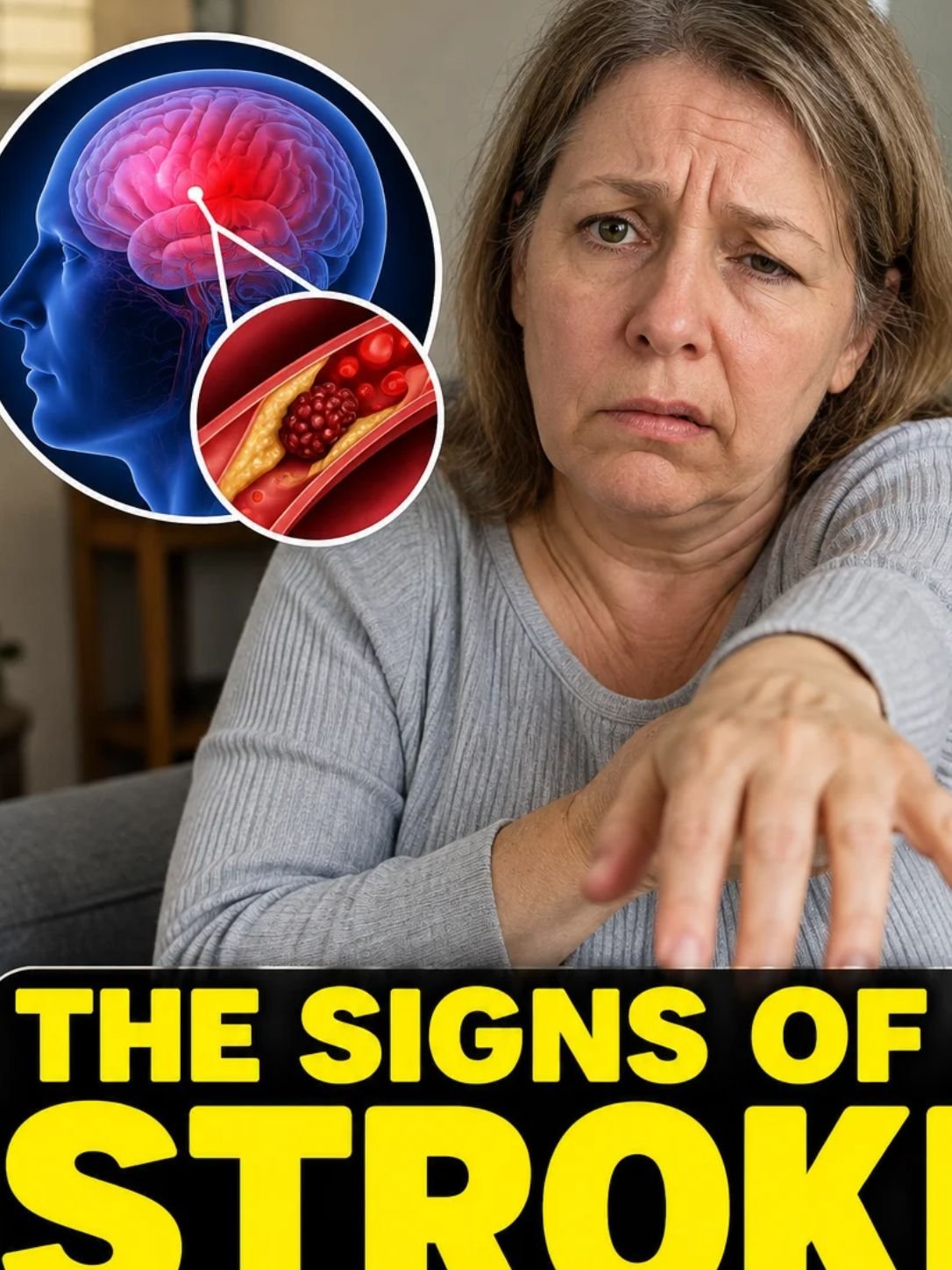
A stroke can happen suddenly, and the first signs may appear in a way that seems easy to dismiss.
One side of the face may suddenly droop. An arm may become weak or numb. Speech may suddenly become slurred or difficult to understand.
These aren’t symptoms to “wait and see” about.
A stroke is a medical emergency, and recognizing the signs quickly can make a major difference. The American Stroke Association recommends remembering B.E. F.A.S.T.: Balance, Eyes, Face, Arm, Speech, and Time.
What Is a Stroke?
A stroke happens when blood flow to part of the brain is blocked, usually by a clot, or when a blood vessel in the brain ruptures.
Without enough oxygen and nutrients, brain tissue can become damaged. This is why time matters so much when stroke symptoms begin.
There are different types of stroke, and the treatment depends on the type. Doctors need to determine what is happening before choosing the appropriate treatment.
B — Balance
One warning sign can be a sudden loss of balance or coordination.
Someone may suddenly:
- Have difficulty walking
- Feel unusually dizzy
- Lose coordination
- Become unsteady
- Have trouble standing normally
Sudden balance problems can have many causes, but when they appear suddenly—especially together with other stroke symptoms—they require urgent attention.
E — Eyes
Sudden vision changes can also be a warning sign.
A person might suddenly experience:
- Blurred vision
- Double vision
- Loss of vision in one eye
- Loss of vision in both eyes
Don’t assume sudden unexplained vision loss is simply tiredness or an ordinary eye problem. It can occur with stroke and needs urgent evaluation.
F — Face Drooping
Ask the person to smile.
Does one side of the face look different?
One side may droop or feel numb, and the smile may become uneven.
This is one of the classic warning signs people should recognize.
A — Arm Weakness
Ask the person to raise both arms.
If one arm suddenly feels weak or numb, or one arm begins drifting downward, that can be a stroke warning sign.
The weakness may affect an arm, leg, or one side of the body.
Importantly, you don’t need to wait for every symptom to appear.
One sudden warning sign can be enough to seek emergency help.
S — Speech Difficulty
Listen carefully to the person’s speech.
They may suddenly:
- Slur their words
- Struggle to speak
- Have trouble finding words
- Have difficulty understanding what someone is saying
- Sound unusually confused
The American Stroke Association includes sudden speech difficulty or trouble understanding speech among the key stroke symptoms.
T — Time to Act
This is the most important letter.
Time = call emergency medical services.
If you or someone around you suddenly develops possible stroke symptoms, don’t wait to see whether they disappear.
Note the time the symptoms started and seek emergency medical attention immediately.
What If the Symptoms Go Away?
This is where people can make a dangerous mistake.
Sometimes stroke-like symptoms disappear after a short time. This can happen with a transient ischemic attack (TIA), sometimes called a “warning stroke.”
Even if the person feels completely normal again, it still needs urgent medical evaluation. The American Stroke Association advises seeking emergency attention even when symptoms go away.
Don’t assume that feeling better means everything is okay.
What About a Sudden Severe Headache?
A sudden, severe headache with no known cause can also occur with stroke, particularly certain types of stroke.
Other possible sudden symptoms include confusion, numbness or weakness, vision problems, and difficulty walking.
A sudden severe headache is not something to diagnose at home.
If it occurs suddenly and is accompanied by neurological symptoms, seek emergency medical care.
Why Is Getting Help Quickly So Important?
Stroke treatment is time-sensitive.
For some eligible people with an ischemic stroke, clot-busting medication may be considered within a limited treatment window, and some patients with certain large blood clots may benefit from a procedure to remove the clot. These treatments require medical assessment and are most effective when patients reach appropriate care quickly.
This is why waiting at home can be dangerous.
Don’t drive yourself if you’re experiencing possible stroke symptoms. Call your local emergency medical service so trained responders can begin appropriate care and alert the hospital when possible.
Can Stroke Happen to Younger People?
Yes.
Stroke isn’t exclusively an older person’s problem. It can happen at different ages, although risk increases with certain factors.
The American Stroke Association identifies factors such as high blood pressure, diabetes, high cholesterol, smoking, obesity, previous stroke or TIA, and family history among factors associated with stroke risk.
That doesn’t mean having one risk factor means you’ll have a stroke.
It means knowing your risk factors and managing those that can be changed can be important for prevention.
What Can You Do to Reduce Your Risk?
Some stroke risk factors can be addressed through medical care and lifestyle changes.
Important steps can include:
- Managing high blood pressure
- Managing diabetes
- Keeping cholesterol under control
- Avoiding tobacco
- Staying physically active
- Maintaining a healthy weight
- Following a balanced eating pattern
- Taking prescribed medications as directed
The American Stroke Association notes that stroke is largely preventable through management of risk factors and healthy habits.
Don’t Try a Home Remedy for Stroke Symptoms
This is extremely important.
If someone develops sudden facial drooping, arm weakness, speech difficulty, sudden vision changes, severe unexplained headache, or sudden loss of balance, don’t try to treat the symptoms with a home remedy or wait for them to pass.
Stroke requires urgent medical assessment.
Do not delay emergency care while trying food, drinks, massage, supplements, or other home treatments.
A Simple Way to Remember It
Keep B.E. F.A.S.T. in mind:
B — Balance: sudden loss of balance
E — Eyes: sudden vision changes
F — Face: facial drooping
A — Arm: sudden weakness or numbness
S — Speech: sudden speech difficulty
T — Time: call emergency medical services immediately
You don’t need to be certain that it’s a stroke before seeking help.
If the symptoms are sudden and concerning, it’s safer to treat the situation as an emergency.
Final Takeaway
A stroke doesn’t always look dramatic at first.
Sometimes it begins with a strange smile, one weak arm, suddenly slurred speech, unexpected dizziness, or a sudden change in vision.
These signs can have other causes, but when they appear suddenly, don’t wait for an explanation at home.
Remember:
Balance. Eyes. Face. Arm. Speech. Time.
If you recognize possible stroke symptoms in yourself or someone else, seek emergency medical help immediately—even if the symptoms improve or disappear.
Every minute matters.