
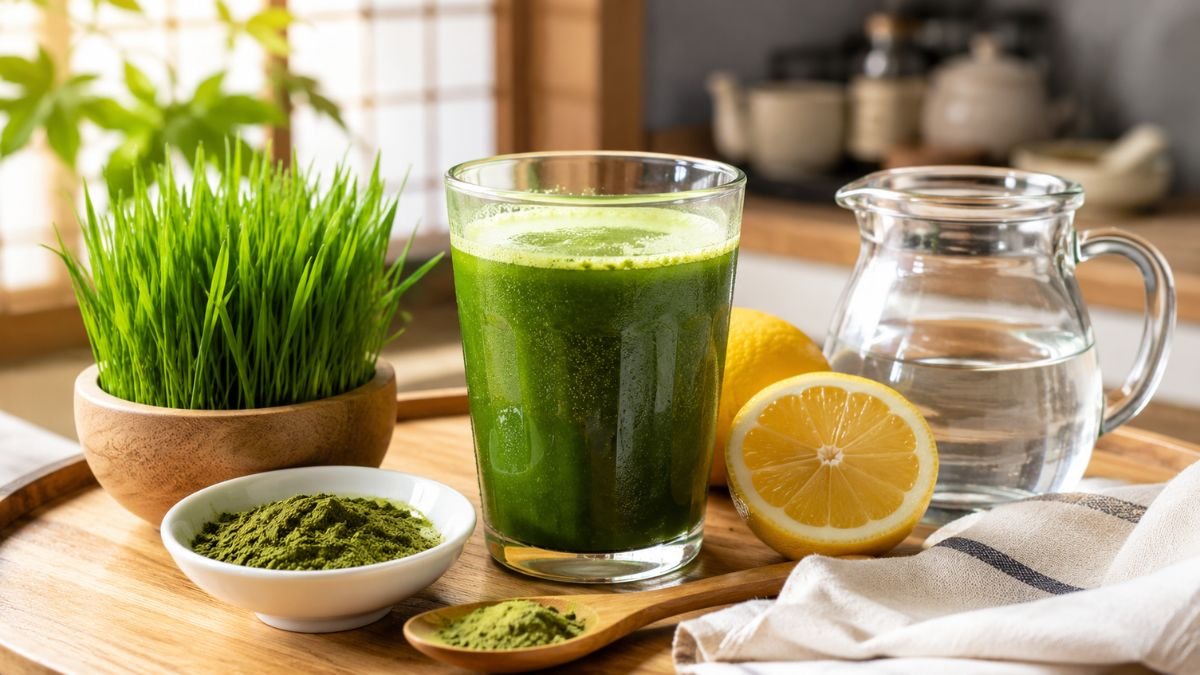
A Gentle Morning Routine Inspired by Japanese Tradition
Many people begin their day with coffee or tea, but in Japan, a different morning ritual has been enjoyed for decades. One simple green drink, traditionally made from young barley leaves, has become a popular part of everyday wellness routines thanks to its rich nutritional profile and ease of preparation.
Known as Aojiru, this vibrant green drink has long been associated with Japan’s focus on balanced eating and healthy living. While no single food or beverage can guarantee perfect health or prevent disease, including more fiber-rich greens as part of a balanced diet may help support normal digestion and overall wellness.
If you’re looking for a simple way to add more plant-based nutrition to your morning routine, this Japanese-inspired habit may be worth exploring.
What Is Aojiru?
Aojiru (pronounced ah-oh-jee-roo) is a traditional Japanese green drink typically made from powdered young barley grass, kale, or other nutrient-rich green vegetables.
Unlike sugary juices or highly processed drinks, aojiru focuses on simple plant ingredients that provide:
- Dietary fiber
- Chlorophyll
- Vitamins
- Minerals
- Natural antioxidants
Many people in Japan enjoy it first thing in the morning as part of a balanced breakfast.
Why Morning Habits Matter
Morning routines often influence how the rest of the day unfolds.
Starting the day with water and fiber-rich foods may help support:
- Healthy hydration
- Balanced nutrition
- Regular digestion
- Daily energy levels
Rather than relying on complicated wellness trends, Japanese traditions often emphasize consistency and simplicity.
Why Greens Are Important
Leafy green vegetables provide many nutrients that support overall health.
These include:
- Vitamin A
- Vitamin C
- Vitamin K
- Folate
- Potassium
- Magnesium
They also contribute dietary fiber, which plays an important role in maintaining normal digestive function.
Benefits of Dietary Fiber
Fiber is one of the most overlooked nutrients in modern diets.
Getting enough fiber may help support:
- Normal bowel regularity
- Healthy digestion
- Feelings of fullness
- A balanced eating pattern
Many people consume less fiber than recommended, making vegetables and greens especially valuable.
Ingredients for a Simple Morning Green Drink
This easy drink takes less than two minutes to prepare.
Ingredients
- 1 teaspoon aojiru powder
- 8–10 ounces room-temperature water
Optional Additions
- Fresh lemon juice
- Ice cubes
- Cucumber slices
- Fresh mint leaves
These optional ingredients can brighten the flavor while keeping the drink light and refreshing.
How to Prepare the Drink
Step 1
Fill a glass with room-temperature water.
Step 2
Add one teaspoon of aojiru powder.
Step 3
Stir thoroughly until fully dissolved.
Step 4
Add fresh lemon juice if desired.
Step 5
Drink slowly before breakfast.
Many people enjoy waiting about 10–15 minutes before eating their morning meal.
Why Consistency Is Important
Healthy habits work best when practiced consistently.
Instead of expecting dramatic overnight changes, small daily routines often provide the greatest long-term benefits.
Making this drink part of your morning routine can be an easy way to increase your daily vegetable intake.
What Makes Aojiru Different?
Unlike many sweetened green drinks, aojiru is usually:
- Low in sugar
- Rich in plant nutrients
- Quick to prepare
- Mild in calories
Its simple ingredient list is one reason it has remained popular in Japan for decades.
A Simple Comparison
| Morning Drink | Fiber | Preparation |
|---|---|---|
| Aojiru | Moderate | 1 minute |
| Coffee | None | 5 minutes |
| Orange Juice | Low | 2 minutes |
| Soft Drinks | None | Ready to drink |
This comparison highlights how adding greens can contribute more fiber than many common morning beverages.
Supporting Healthy Digestion Naturally
While no drink can “cleanse” or “detox” the body, healthy daily habits can support your body’s normal digestive processes.
Helpful habits include:
- Drinking enough water
- Eating vegetables daily
- Including whole grains when appropriate
- Staying physically active
- Getting adequate sleep
These lifestyle choices work together to support digestive wellness.
Tips for Better Flavor
Some people find plain aojiru slightly earthy.
Here are simple ways to make it more enjoyable:
Add Lemon
Fresh lemon brightens the flavor.
Blend Into a Smoothie
Mix with:
- Banana
- Spinach
- Unsweetened almond milk
Chill Before Drinking
Cold drinks often taste milder.
Try Different Brands
Flavor varies between manufacturers.
Healthy Morning Habits to Pair With This Drink
This drink works well alongside other simple habits.
Drink Water First
Hydration supports overall wellness.
Eat a Balanced Breakfast
Include:
- Protein
- Healthy fats
- Fiber-rich foods
Move Your Body
Even a short morning walk can help you feel energized.
Prioritize Sleep
Good sleep supports many aspects of health.
Frequently Asked Questions
What Is Aojiru Made From?
Most varieties are made from young barley grass, kale, or other leafy green vegetables.
Does It Taste Like Juice?
Not exactly.
It has a mild grassy flavor similar to green vegetables.
Can I Drink It Every Day?
Many people choose to include it in their daily routine as part of a balanced diet.
Can Children Drink It?
Check the product label and consult a healthcare professional if you have concerns about individual dietary needs.
Is It a Medicine?
No.
Aojiru is simply a food product made from powdered green vegetables.
It should not replace medical treatment or prescribed medications.
Final Thoughts
Sometimes the most effective wellness habits are also the simplest.
Adding a nutrient-rich green drink like aojiru to your morning routine can be an easy way to increase your intake of vegetables and dietary fiber while supporting an overall healthy lifestyle.
Combined with balanced meals, regular physical activity, good hydration, and consistent daily habits, this traditional Japanese practice offers a simple way to begin the day with more plant-based nutrition.
Remember that no single food or drink can prevent or cure disease, but healthy daily habits practiced over time can contribute to long-term well-being.