
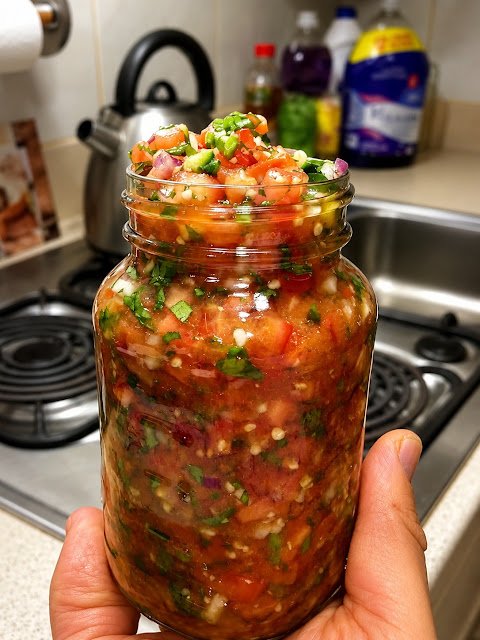
Fresh, colorful, and packed with bright flavor, homemade Pico de Gallo Salsa is one of the easiest ways to make almost any meal taste better.
Also known as salsa fresca or salsa cruda, pico de gallo is a fresh Mexican salsa traditionally made with chopped tomatoes, onion, fresh chile, cilantro, lime juice, and salt. Unlike smooth jarred salsa, the ingredients remain chunky, giving every bite a crisp, juicy texture.
This recipe takes only a few minutes to prepare and requires no cooking. Simply chop the vegetables, combine everything in a bowl, season it to taste, and let the flavors mingle.
Serve it with tortilla chips, tacos, burritos, quesadillas, grilled chicken, eggs, or almost anything that could use a fresh, zesty topping.
Why You’ll Love This Pico de Gallo
There is a reason pico de gallo is such a popular homemade salsa.
It is incredibly fresh and doesn’t require a blender, food processor, or stove. Everything is chopped by hand and mixed together.
The ripe tomatoes provide juiciness and natural sweetness. White onion adds a sharp, crisp bite, while jalapeño brings just the right amount of heat. Fresh cilantro contributes an unmistakable herbal flavor, and lime juice ties everything together with bright acidity.
Because the ingredient list is short, the quality of the vegetables makes a big difference. Ripe, flavorful tomatoes are especially important.
Ingredients You’ll Need
- 4 medium ripe Roma tomatoes
- 1/2 medium white onion
- 1 fresh jalapeño
- 1/3 cup fresh cilantro, finely chopped
- 1 to 2 tablespoons fresh lime juice
- 1/2 teaspoon salt, or to taste
- Freshly ground black pepper, optional
For a little extra heat, leave some of the jalapeño seeds and membranes intact. For a milder salsa, remove them completely.
Some traditional preparations use serrano peppers instead of jalapeño, so you can easily make that substitution if you prefer a sharper chile flavor.
How to Make Pico de Gallo
1. Prepare the Tomatoes
Wash and dry the tomatoes.
Cut them in half and remove the tough core.
If the tomatoes are particularly juicy, scoop out some of the seeds and excess liquid. This helps prevent the finished salsa from becoming watery.
Dice the tomato flesh into small, even pieces.
You want pieces small enough to scoop easily with a tortilla chip but large enough to retain their texture.
2. Chop the Onion
Peel the white onion and finely dice it.
White onion gives pico de gallo its classic sharp, fresh flavor.
If you find raw onion too strong, you can soak the diced onion briefly in cold water and drain it thoroughly before adding it to the salsa.
3. Prepare the Jalapeño
Cut the jalapeño in half lengthwise.
Remove the seeds and inner membrane if you want less heat.
Finely mince the pepper.
Remember that jalapeños vary considerably in heat, so it’s better to start with less and add more if necessary.
4. Chop the Cilantro
Rinse the cilantro and pat it dry.
Remove any tough stems and finely chop the leaves.
Fresh cilantro is an important part of classic pico de gallo and gives the salsa its distinctive herbal freshness.
5. Combine Everything
Place the diced tomatoes, onion, jalapeño, and cilantro in a medium bowl.
Add the fresh lime juice and salt.
Gently stir everything together.
Don’t mash the tomatoes. The goal is to keep the salsa chunky and fresh.
6. Let the Flavors Develop
For the best flavor, let the pico de gallo sit for about 10 to 15 minutes before serving.
This short resting period allows the lime juice and salt to mingle with the vegetables.
Taste it again before serving and adjust the lime juice, salt, or jalapeño according to your preference.
The Secret to Great Pico de Gallo
The most important ingredient isn’t actually an ingredient—it’s freshness.
Because there are so few components in pico de gallo, each one has a noticeable effect on the final result.
Use ripe tomatoes with good flavor rather than pale, watery tomatoes whenever possible. Roma tomatoes are a convenient choice because they tend to have firm flesh and work well in fresh salsa.
Freshly squeezed lime juice is also preferable to bottled lime juice because it gives the salsa a brighter flavor.
And whenever possible, chop everything by hand. A food processor can quickly turn the vegetables into a watery mixture instead of the chunky salsa texture you want.
How Spicy Should Pico de Gallo Be?
That’s completely up to you.
For mild pico de gallo, remove all the seeds and membranes from the jalapeño and use only a small amount.
For medium heat, finely chop one whole jalapeño after removing most of the seeds.
For a spicy version, leave some seeds and membranes intact or substitute a serrano pepper.
You can always add more chile, but you can’t easily remove it once it’s mixed into the bowl.
How to Keep Pico de Gallo From Getting Watery
Watery pico de gallo usually comes from very juicy tomatoes or letting the finished salsa sit too long.
Start by removing some of the tomato seeds and excess liquid.
Also, don’t add an excessive amount of lime juice.
If liquid collects at the bottom of the bowl after refrigeration, simply stir the salsa and drain a little of the excess liquid before serving.
What to Serve With Pico de Gallo
Pico de gallo is incredibly versatile.
With Tortilla Chips
This is the classic way to serve it.
Place a bowl of fresh pico de gallo next to warm tortilla chips and serve it as an easy appetizer.
On Tacos
Spoon a generous amount over beef, chicken, fish, shrimp, or bean tacos.
The fresh tomatoes and lime help balance richer fillings.
With Burritos
Add pico de gallo inside burritos or spoon it over the top just before serving.
With Quesadillas
The cold, fresh salsa is a wonderful contrast to a hot, crispy, cheesy quesadilla.
With Eggs
Serve a spoonful over scrambled eggs, fried eggs, breakfast tacos, or breakfast burritos.
With Grilled Meat
Pico de gallo makes an excellent fresh topping for grilled chicken, steak, pork, or seafood.
With Rice and Beans
Add it to a bowl of rice and beans for an easy meal with plenty of fresh flavor.
Pico de gallo is commonly used with tacos, nachos, enchiladas, eggs, burritos, and other Mexican-inspired dishes.
Easy Variations
Add Garlic
Finely mince one small garlic clove and stir it into the salsa for a stronger savory flavor.
Add Avocado
Fold in diced avocado immediately before serving for a creamy variation.
Don’t add the avocado too far in advance because it can soften and discolor.
Add Corn
Sweet corn adds texture and a little natural sweetness.
Add Mango
For a fruitier salsa, add small cubes of ripe mango.
The sweet fruit works particularly well with jalapeño and lime.
Use Serrano Peppers
Replace the jalapeño with finely chopped serrano peppers for a more traditional chile option and a sharper heat.
Add Cucumber
Small diced cucumber can make the salsa especially refreshing during warm weather.
Pico de gallo has many regional variations, and ingredients such as fruit, cucumber, jícama, and other fresh produce can appear in different preparations.
Can You Make Pico de Gallo Ahead of Time?
Yes, but fresh is best.
You can prepare it several hours ahead and refrigerate it in a covered container.
However, the tomatoes will gradually release more liquid, and the fresh flavors of the cilantro and lime will become less vibrant over time.
For the best texture and flavor, make it the same day you plan to serve it. Some established recipes recommend using refrigerated pico within roughly a day or two at most.
How to Store Leftover Pico de Gallo
Transfer leftover salsa to an airtight container and refrigerate it promptly.
Before serving again, stir it well.
If excess liquid has accumulated, drain some of it.
Because this is a fresh, uncooked salsa, it is best enjoyed relatively soon rather than kept for an extended period.
Tips for the Best Pico de Gallo
Use ripe tomatoes. They provide the majority of the salsa’s flavor.
Chop everything evenly. Similar-sized pieces give you a better texture in every bite.
Use fresh lime juice. It provides a brighter flavor.
Adjust the jalapeño to your taste. Every pepper has a different level of heat.
Don’t overmix. Gentle stirring keeps the tomatoes intact.
Let it rest briefly. Ten to fifteen minutes gives the ingredients time to mingle.
Serve fresh. Pico de gallo is at its best shortly after preparation.
Frequently Asked Questions
Is pico de gallo the same as salsa?
Pico de gallo is a type of fresh salsa, but it is generally chunkier and contains much less liquid than many blended or cooked salsas. It is traditionally made from chopped fresh ingredients rather than being processed into a smooth sauce.
Can I use cherry tomatoes?
Yes. Cherry or grape tomatoes can work very well, especially when they’re flavorful and ripe.
Can I make it without cilantro?
Yes. Cilantro is traditional, but you can leave it out if you don’t enjoy the flavor.
Can I use red onion?
Absolutely. Red onion creates a slightly different flavor and adds beautiful color.
How can I make it less spicy?
Remove the jalapeño seeds and membranes and use less pepper. You can also leave the jalapeño out entirely for a mild version.
Why does my pico de gallo taste bland?
Usually, the problem is insufficient salt, lime, or chile—or tomatoes that lack flavor. Taste the salsa after it rests and adjust each element gradually.
Fresh, Simple, and Full of Flavor
Homemade Pico de Gallo is one of those recipes that proves simple food can be incredibly delicious.
Fresh tomatoes, crisp onion, spicy jalapeño, fragrant cilantro, bright lime, and a little salt come together in minutes to create a salsa that can transform an ordinary meal.
Keep a bowl in the refrigerator when you’re serving tacos, grilled meats, quesadillas, or tortilla chips. It adds freshness, color, crunch, and acidity without requiring any complicated cooking.
Once you make it at home with ripe tomatoes and fresh lime, you may never want to settle for bland, watery salsa again.