
Have you ever raised your arms and noticed the skin under them looks noticeably darker than the rest of your body? You are not alone. Millions of people have dark underarms, and most assume it is just a cosmetic issue caused by shaving or deodorant. But dermatologists say dark underarms can sometimes be your body’s way of signaling something deeper going on inside.
Dark underarms, medically known as axillary hyperpigmentation, can have many causes. Some are harmless and easy to fix. Others may point to hormonal imbalances or metabolic conditions that deserve attention. Understanding what is behind the darkening is the first step toward addressing it properly.
What Causes Dark Underarms?
There is no single reason why underarm skin darkens. The area is unique because the skin folds over itself, creating friction, warmth, and moisture. These conditions alone can trigger pigmentation changes over time. Add in shaving, deodorant, and hormonal shifts, and the underarms become one of the most common places for skin discoloration.
1. Acanthosis Nigricans
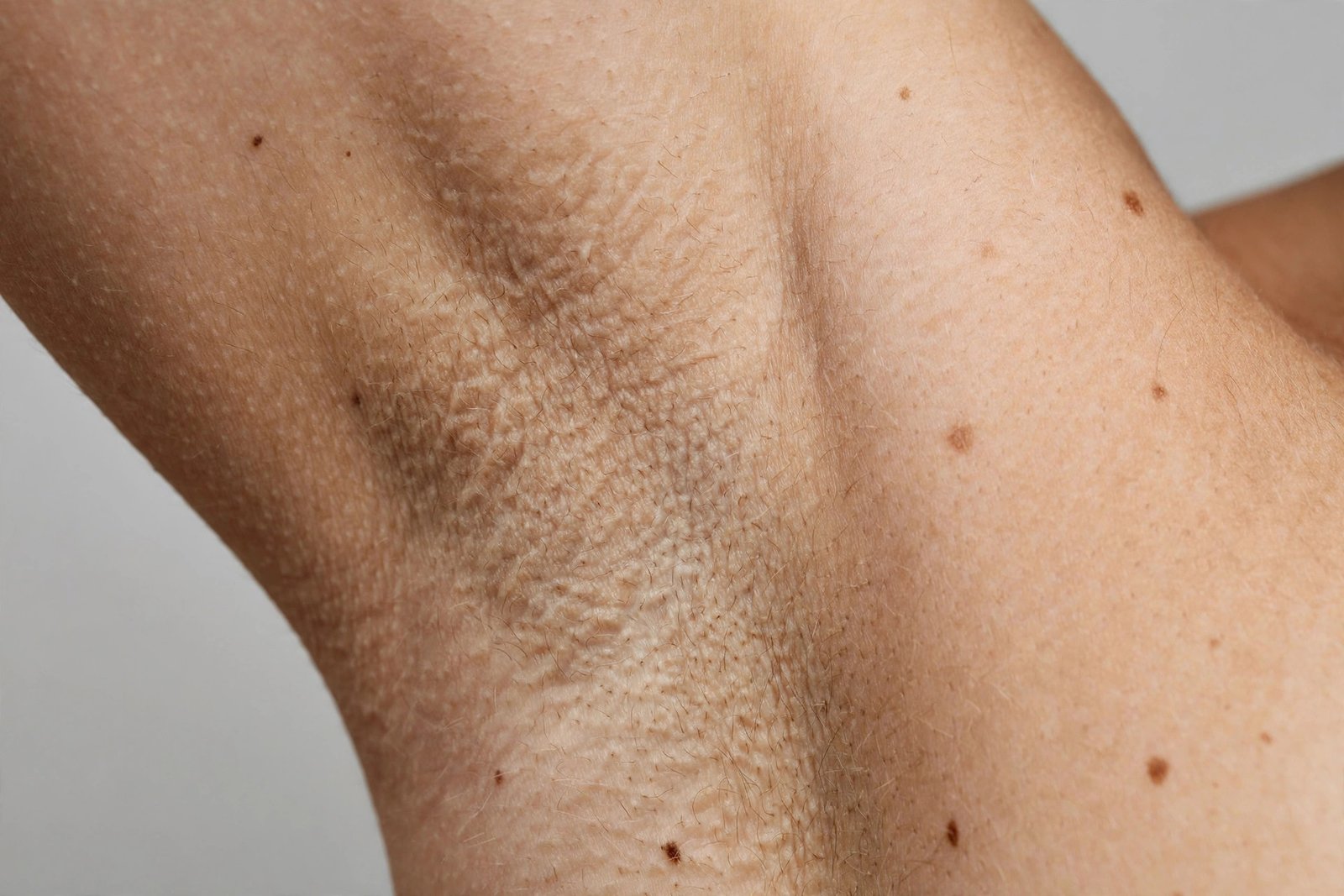
One of the most medically significant causes of dark underarms is a condition called acanthosis nigricans. This causes thick, velvety, darkened patches of skin in body folds, including the underarms, neck, and groin. It is strongly associated with insulin resistance, a condition where the body’s cells do not respond properly to insulin.
Insulin resistance is a precursor to type 2 diabetes and is also linked to obesity and polycystic ovary syndrome (PCOS). When insulin levels remain high, it can stimulate skin cells to grow faster and produce more pigment, leading to the dark, velvety patches characteristic of acanthosis nigricans.
If your underarms have suddenly become darker and the skin feels thicker or velvety, it is worth speaking with your doctor about checking your blood sugar and insulin levels. Early detection of insulin resistance allows for lifestyle changes that can prevent progression to diabetes.
2. Friction and Skin Irritation
Daily friction between the arm and torso, especially in people who wear tight clothing, can cause the skin to thicken and darken over time. This is the body’s protective response. Repeated rubbing triggers inflammation, which in turn stimulates melanocytes, the cells that produce skin pigment.
People who are overweight may experience more friction in the underarm area, making this a more common cause. Wearing loose, breathable fabrics and reducing friction can help prevent further darkening.
3. Shaving and Hair Removal
Shaving is one of the most common culprits behind dark underarms. When you shave, you cut hair at the surface, leaving a blunt tip that can appear as a dark shadow beneath the skin. Additionally, repeated shaving irritates the skin, causing micro-abrasions and inflammation that trigger hyperpigmentation.
Waxing and plucking, while they remove hair from the root, can also irritate hair follicles and lead to ingrown hairs and darkening. If shaving seems to worsen the problem, consider switching to gentler hair removal methods or giving the skin a break.
4. Deodorants and Antiperspirants
Many deodorants and antiperspirants contain alcohol, fragrances, and aluminum compounds that can irritate sensitive underarm skin. Over time, this irritation can cause the skin to darken. Some people are more sensitive to these ingredients than others.
If you suspect your deodorant is contributing to darkening, try switching to a fragrance-free, alcohol-free formula. Look for products designed for sensitive skin, and avoid applying deodorant immediately after shaving when the skin is already irritated.
5. Hormonal Changes
Hormonal fluctuations during pregnancy, puberty, and menopause can increase melanin production and cause darkening in the underarms and other areas. Women with PCOS often experience darkening of the underarms, neck, and inner thighs due to elevated androgen levels and insulin resistance.
Birth control pills and hormone replacement therapy can also trigger pigmentation changes. If darkening coincides with a hormonal change, it may resolve on its own once hormone levels stabilize.
6. Dead Skin Cell Buildup
The underarm area is often neglected during exfoliation routines. Dead skin cells can accumulate in the folds, creating a dull, dark appearance. Regular gentle exfoliation can help remove this buildup and reveal brighter skin underneath.
When Should You See a Doctor?
While dark underarms are usually harmless, certain signs warrant medical attention:
- Sudden darkening that appears rapidly
- Skin that feels thick, velvety, or raised
- Dark patches that also appear on the neck, groin, or other folds
- Darkening accompanied by weight gain, increased thirst, or frequent urination
- Darkening that does not improve with gentle skincare
- Itching, pain, or unusual odor in the area
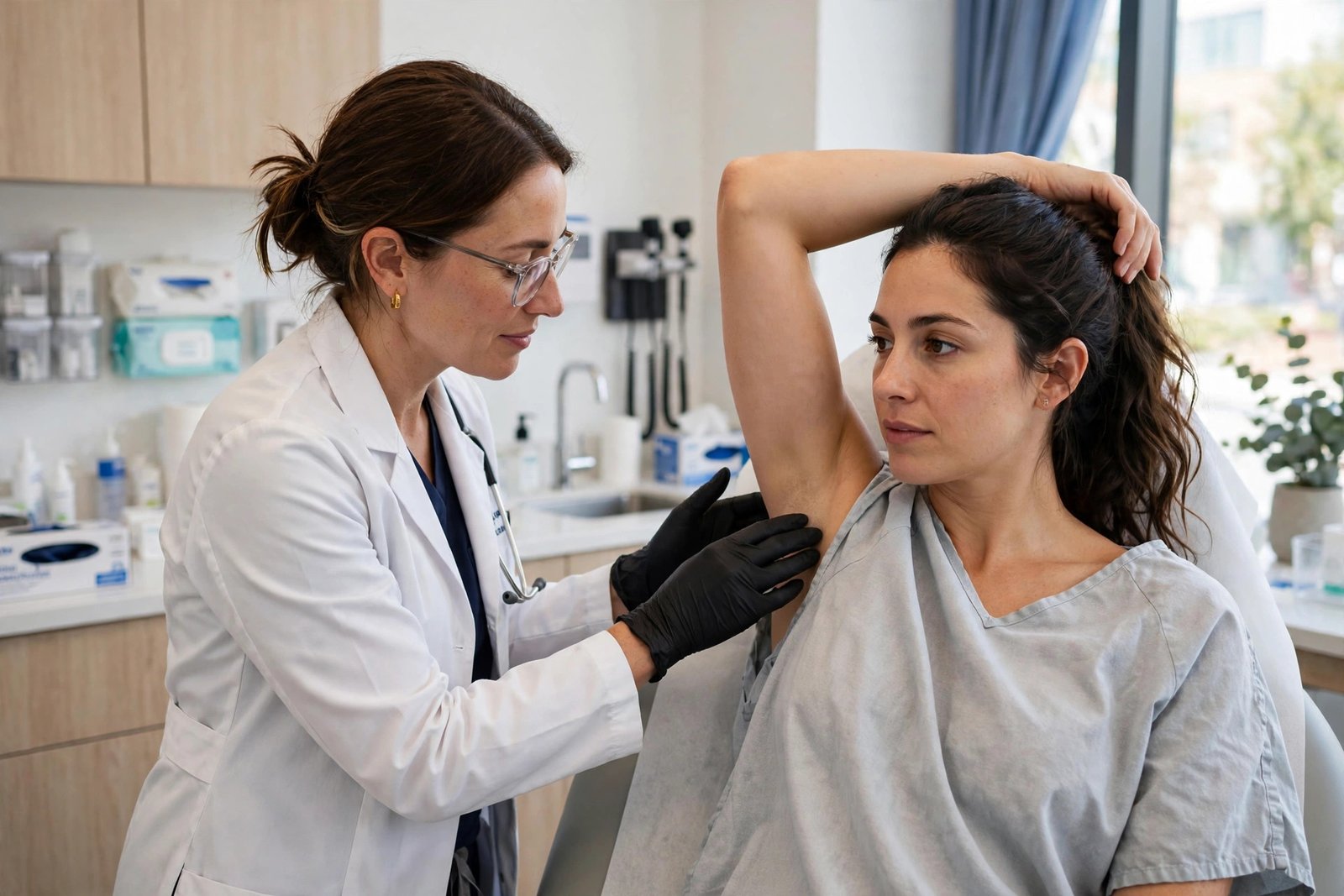
These symptoms could indicate acanthosis nigricans, insulin resistance, or another underlying condition. A doctor can perform blood tests to check blood sugar, insulin, and hormone levels, and recommend appropriate treatment.
How to Lighten Dark Underarms
Depending on the cause, several approaches can help reduce darkening:
Gentle Exfoliation
Use a mild exfoliating scrub or a washcloth to gently remove dead skin cells once or twice a week. Avoid harsh scrubs that can irritate the skin further. Chemical exfoliants containing lactic acid or glycolic acid can also help, but start slowly to avoid irritation.
Moisturize Daily
Keep the underarm area moisturized with a fragrance-free lotion. Well-hydrated skin is less prone to irritation and darkening. Look for moisturizers containing vitamin E or aloe vera.
Switch Hair Removal Methods
If shaving irritates your skin, consider alternatives like trimming, laser hair removal, or using an electric trimmer. Laser hair removal, performed by a professional, can reduce hair growth permanently and eliminate shaving irritation.
Choose Gentle Products
Switch to deodorants without alcohol, fragrance, or aluminum. Natural deodorants or those formulated for sensitive skin are less likely to cause irritation. Patch-test new products on a small area first.
Natural Remedies
Some people find that natural ingredients like lemon juice, potato slices, or coconut oil help lighten underarm skin. However, these remedies can irritate sensitive skin, so use them cautiously and discontinue if irritation occurs. Lemon juice, in particular, can make skin more sensitive to sunlight.
Address Underlying Conditions
If darkening is caused by insulin resistance or hormonal imbalance, treating the underlying condition is essential. Weight management, regular exercise, and a balanced diet can improve insulin sensitivity and reduce acanthosis nigricans over time.

Prevention Tips
- Wear loose, breathable clothing to reduce friction
- Avoid shaving on irritated or dry skin
- Use a sharp, clean razor and shaving cream
- Apply deodorant to completely dry skin
- Exfoliate gently once a week
- Maintain a healthy weight
- Stay hydrated
The Bottom Line
Dark underarms are incredibly common and usually not a cause for alarm. In most cases, they result from shaving, friction, deodorant irritation, or dead skin buildup, all of which can be managed with simple skincare changes.
However, if darkening appears suddenly, feels velvety or thick, or comes with other symptoms like weight gain or increased thirst, it could be a sign of an underlying condition like insulin resistance. In that case, seeing a doctor is the smart move. Early detection allows for timely intervention and better health outcomes.
Your skin often tells a story about what is happening inside your body. Paying attention to changes like dark underarms is not vanity. It is listening to your body’s signals and taking care of your health.