
Garlic has been used for thousands of years as both a flavorful cooking ingredient and a powerful natural remedy. Ancient civilizations, from the Egyptians to the Greeks, prized garlic for its ability to fight infections and protect health. Modern science has now confirmed what traditional healers knew all along: garlic contains potent compounds that can kill bacteria and support the immune system.
But how exactly does garlic fight bacteria? And can this humble kitchen ingredient really help protect your body from harmful microbes? Let’s explore the science behind garlic’s natural antibacterial properties.
What Makes Garlic Antibacterial?
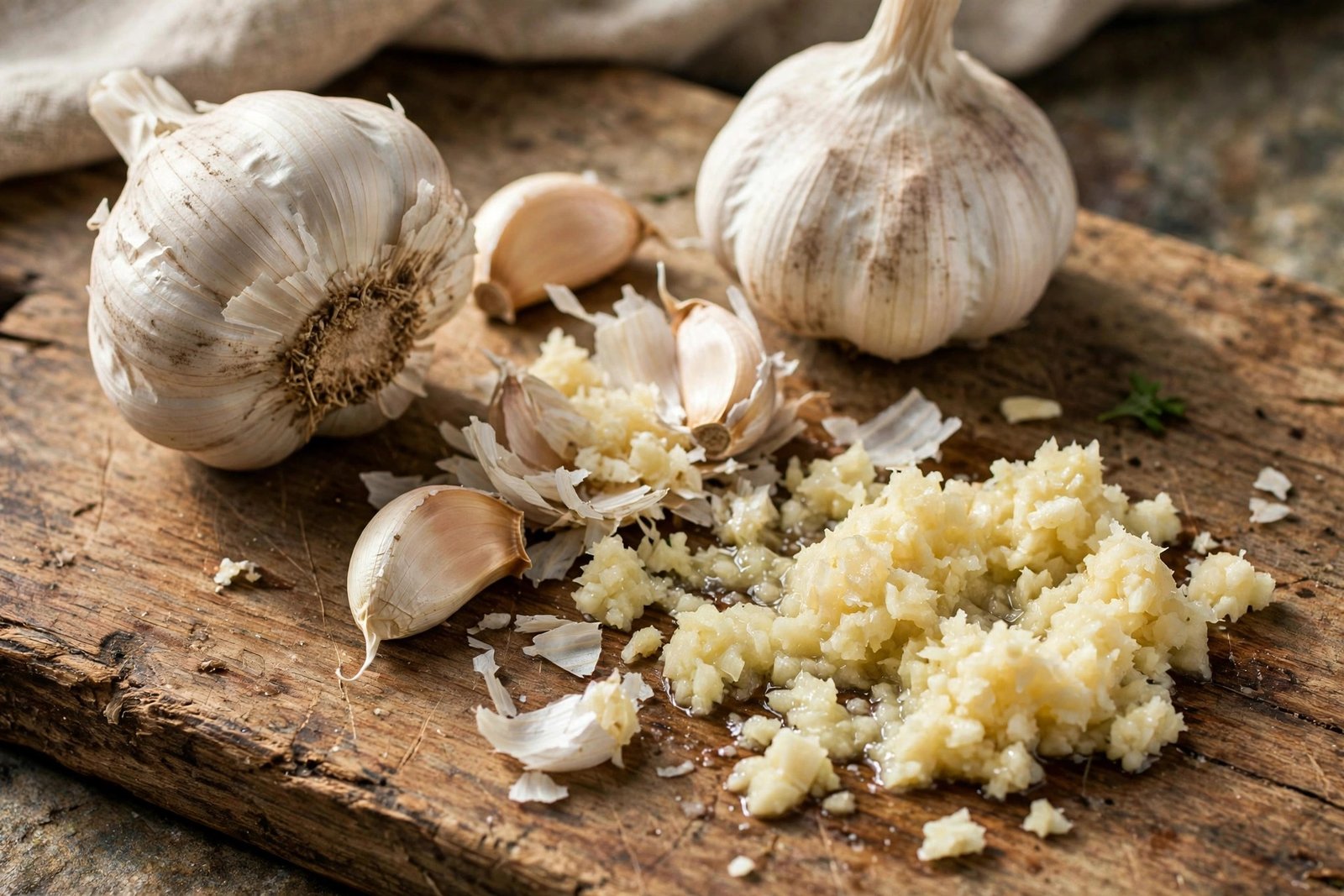
The secret behind garlic’s antibacterial power lies in a sulfur-containing compound called allicin. When a garlic clove is crushed, chopped, or chewed, an enzyme called alliinase converts a compound called alliin into allicin. This is the same compound responsible for garlic’s pungent smell and sharp taste.
Allicin is a powerful antimicrobial agent. Research has shown that it can inhibit the growth of a wide range of bacteria, including both Gram-positive and Gram-negative strains. It works by disrupting bacterial cell membranes and interfering with essential enzymes that bacteria need to survive and multiply.
In addition to allicin, garlic contains other sulfur compounds like ajoene, diallyl sulfide, and diallyl disulfide, all of which contribute to its antibacterial effects. These compounds work together to create a broad-spectrum antimicrobial action that few natural substances can match.
Which Bacteria Does Garlic Fight?
Scientific studies have tested garlic against numerous bacterial species. The results are impressive:
Staphylococcus aureus
Staphylococcus aureus, commonly known as staph, is a bacterium that can cause skin infections, food poisoning, and more serious conditions. Studies have shown that garlic extract can inhibit the growth of S. aureus, including some antibiotic-resistant strains like MRSA (methicillin-resistant Staphylococcus aureus).
Escherichia coli (E. coli)
E. coli is a common cause of food poisoning and urinary tract infections. Garlic has demonstrated effectiveness against E. coli in laboratory studies, with allicin disrupting the bacterium’s ability to form biofilms, protective layers that make bacteria harder to kill.
Salmonella
Salmonella is another major cause of foodborne illness. Research indicates that garlic extract can reduce Salmonella growth, making it a useful natural food preservative in addition to its health benefits.
Helicobacter pylori (H. pylori)
H. pylori is a bacterium that lives in the stomach and is associated with ulcers and gastritis. Some studies suggest that garlic consumption may help reduce H. pylori colonization, though more research is needed to confirm its effectiveness as a treatment.
Garlic vs. Antibiotics: How Do They Compare?
It is important to understand that garlic is not a replacement for antibiotics. Prescription antibiotics are specifically designed to target bacterial infections and have been rigorously tested for safety and effectiveness. Garlic should be viewed as a complementary support for overall health, not a substitute for medical treatment.
However, garlic does have some advantages. Unlike synthetic antibiotics, garlic does not appear to promote antibiotic resistance in the same way. Its multiple active compounds attack bacteria through several mechanisms simultaneously, making it harder for bacteria to develop resistance. This is one reason researchers are studying garlic-derived compounds as potential additions to conventional treatments.
Garlic also supports the immune system in ways that antibiotics do not. It stimulates the production of white blood cells, enhances natural killer cell activity, and reduces inflammation, all of which help the body fight infections more effectively.
How to Get the Most Antibacterial Benefit from Garlic
Not all forms of garlic are equally potent. To maximize its antibacterial properties, follow these tips:
Use Fresh, Raw Garlic
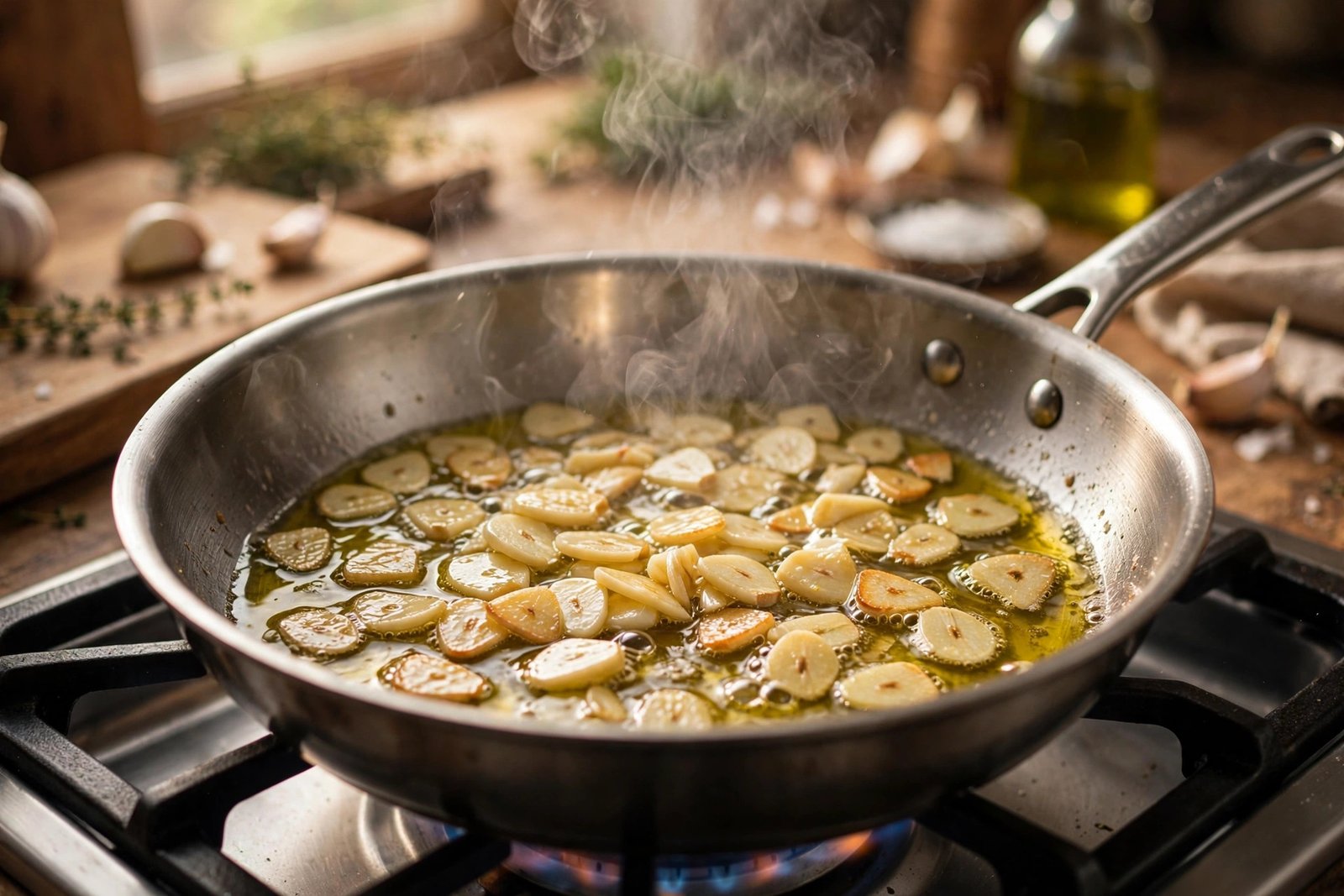
Raw garlic contains the highest levels of allicin. Cooking garlic at high temperatures can destroy alliinase, the enzyme needed to produce allicin. If you cook with garlic, crush or chop it and let it sit for 10 minutes before adding it to heat. This allows time for allicin to form.
Crush or Chop Before Eating
Whole garlic cloves contain very little allicin. The conversion from alliin to allicin only happens when the clove’s cells are damaged. Crushing, chopping, or chewing garlic activates this process. The finer you chop it, the more allicin is produced.
Let It Rest
After crushing or chopping garlic, wait at least 10 minutes before cooking or eating. This resting period allows the enzymatic reaction to complete, maximizing allicin production.
Consider Aged Garlic Extract
Aged garlic extract, available as a supplement, contains stable sulfur compounds that provide health benefits without the strong odor. While it contains less allicin than fresh garlic, it offers other beneficial compounds and is easier on the stomach.
Other Health Benefits of Garlic
Beyond its antibacterial properties, garlic offers a range of health benefits:
- Heart Health: Garlic may help lower blood pressure and reduce cholesterol levels, supporting cardiovascular health.
- Immune Support: Regular garlic consumption is associated with fewer colds and shorter illness duration.
- Antioxidant Protection: Garlic contains antioxidants that protect cells from oxidative damage.
- Anti-inflammatory Effects: Garlic’s sulfur compounds help reduce inflammation throughout the body.
- Antifungal Properties: Garlic also fights fungal infections, including Candida overgrowth.
- Antiviral Activity: Some studies suggest garlic may help against certain viruses, though more research is needed.
How to Use Garlic Daily
Incorporating garlic into your daily routine is simple:
In Cooking
Add crushed garlic to salads, dressings, sauces, soups, and stir-fries. For maximum benefit, add it toward the end of cooking or use it raw in dressings and dips.
Raw Garlic
Some people eat one to two raw garlic cloves daily. If you try this, start with a small amount. Raw garlic can cause stomach upset, heartburn, or bad breath. Eating it with food can help reduce these effects.
Garlic and Honey
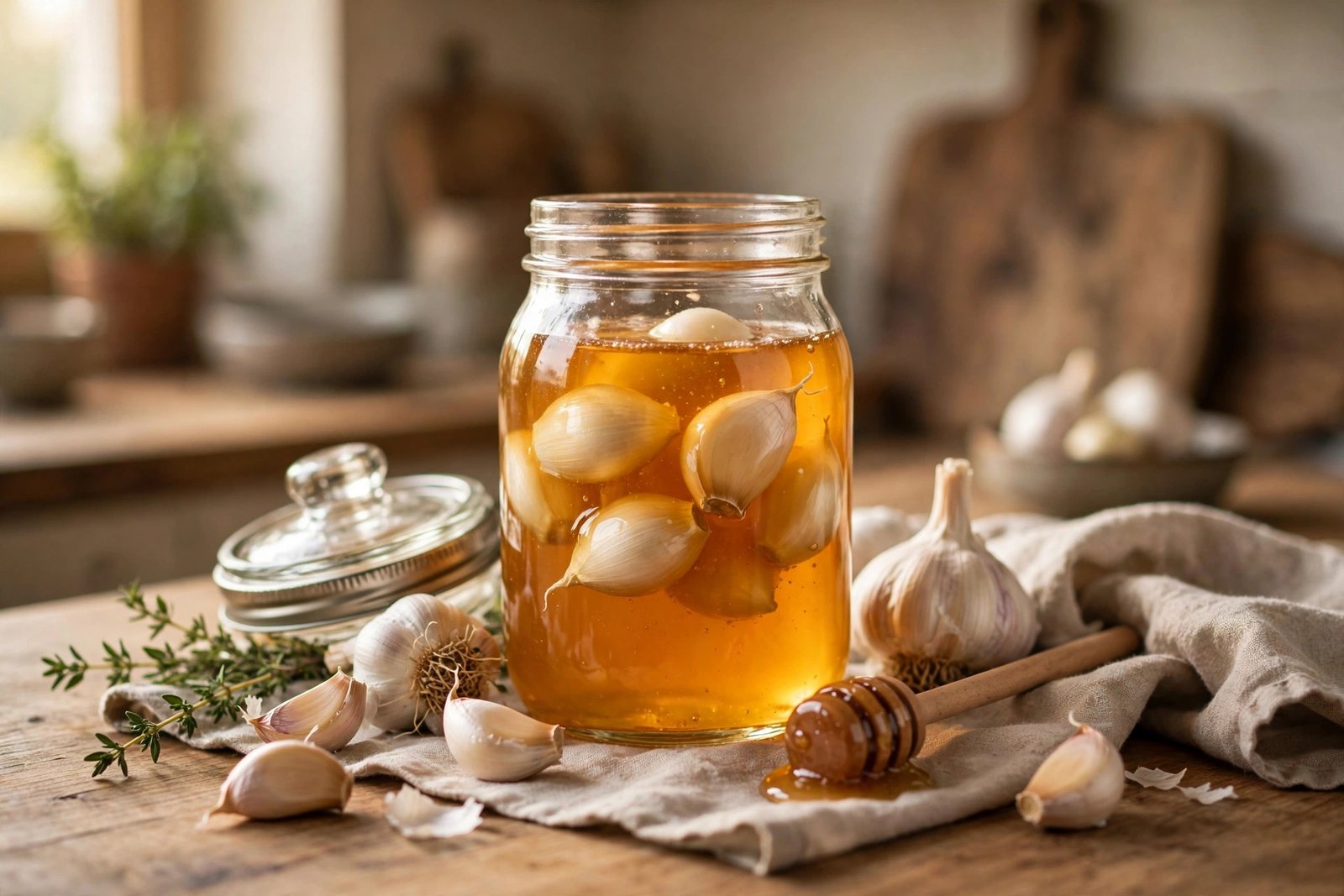
A popular traditional remedy combines crushed garlic with raw honey. The honey mellows garlic’s sharpness and adds its own antibacterial properties. Let the mixture sit for a few days, then take a spoonful daily.
Garlic Tea
Steep crushed garlic in hot water with lemon and honey for a warming drink. While heat reduces allicin, the tea still provides beneficial compounds and soothing effects.
Precautions and Side Effects
Garlic is safe for most people when consumed in normal food amounts. However, large quantities or supplements can cause side effects:
- Bad breath and body odor
- Heartburn or stomach upset
- Nausea or digestive discomfort
- Increased bleeding risk (garlic thins the blood)
- Allergic reactions (rare)
If you take blood-thinning medication, have a bleeding disorder, or are scheduled for surgery, talk to your doctor before consuming large amounts of garlic or taking garlic supplements. Garlic can interact with certain medications, including blood thinners and some HIV medications.
The Bottom Line
Garlic is far more than a cooking ingredient. Its natural antibacterial properties, driven by allicin and other sulfur compounds, make it a powerful ally for health. While it cannot replace antibiotics for serious infections, regular garlic consumption supports the immune system, fights harmful bacteria, and contributes to overall wellness.
Whether you enjoy it in cooking, as a raw clove, or in traditional remedies like garlic and honey, this ancient superfood deserves a place in your daily routine. As with any natural remedy, moderation and common sense are key. Listen to your body, and enjoy the benefits of one of nature’s most potent healers.