Your liver is the hardest-working organ in your body — and the quietest complainer. Every single day it filters your blood, stores energy, makes the proteins that stop your bleeding, and breaks down everything from alcohol to ordinary painkillers. Experts estimate that roughly 1 in 3 adults now has fat silently building up in the liver, and most of them have no idea.
Here is the frightening part: the liver itself has almost no pain nerves. By the time it actually “hurts,” the damage is usually far along. So instead of pain, your liver sends quieter signals. Here are the 5 silent signs it may be begging for help — and what to do about each one.
1. Bone-Deep Tiredness That Sleep Can’t Fix
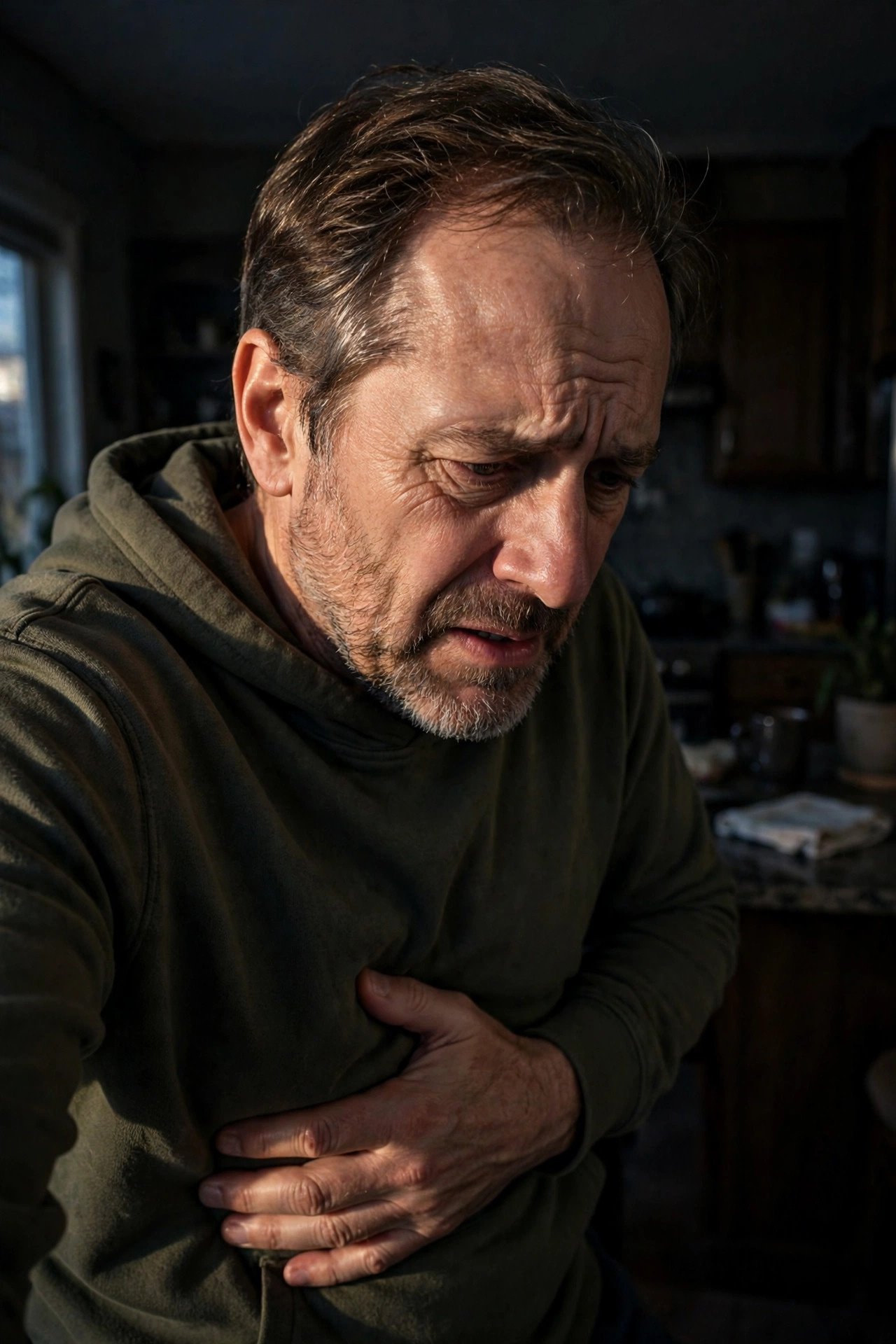
Not the “I stayed up too late” kind of tired. This is the heaviness that is still there after 8 full hours of sleep. When the liver starts struggling, waste products it normally clears — like ammonia — linger in the blood longer, and many people feel it first as a dragging, never-quite-rested exhaustion. It often hits hardest in the afternoon, right when coffee stops working, and no amount of early nights seems to lift it.
Doctors call this hepatic fatigue, and it’s different from ordinary tiredness because rest doesn’t fix it. The brain and liver are deeply linked: when the liver can’t filter properly, the brain feels foggy too — poor concentration, forgotten words, a short temper over nothing. If rest no longer refreshes you and no other cause is obvious, your liver deserves a look.
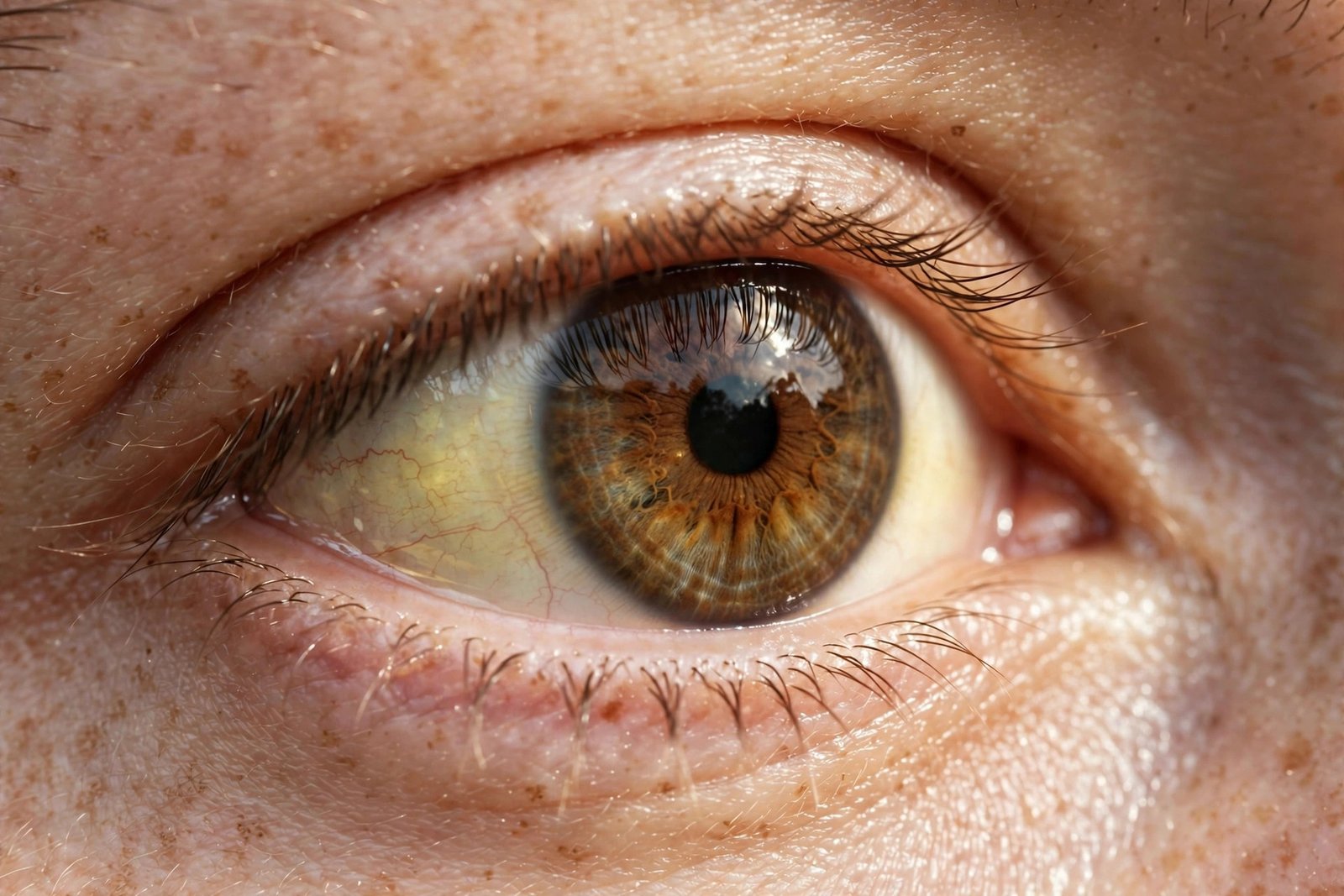
2. Your Eyes or Skin Turn Yellow
This is the classic one doctors watch for. When the liver can’t process bilirubin — a yellow pigment from broken-down red blood cells — it builds up in the blood. The whites of the eyes usually turn first, then the skin. Check in natural daylight, not bathroom lighting: a faint yellow tinge that wasn’t there last month is worth a blood test.
At the same time, watch for tea-colored dark urine and pale, clay-colored stools. That combination means bile isn’t reaching your gut the way it should — and that is the liver waving a yellow flag. Yellowing that comes with fever, belly pain, or confusion is a reason to seek care the same day, not next week.
3. Itchy Skin With No Rash
An itch with no rash, no bite, and no allergy that no cream seems to fix can be a liver signal. When bile flow slows down — a condition called cholestasis — bile salts build up under the skin and trigger intense itching, often worse at night and on the palms and soles. It gets mistaken for dry winter skin or eczema for months, while the real problem sits deeper.
The telltale pattern: itching that moves around the body, worsens when you’re warm in bed, and leaves no marks except the ones your own nails make. Moisturizer does nothing. If you’ve been scratching for weeks with nothing to show for it, think liver, not just skin.
4. A Swollen Belly or Puffy Ankles
A belly that slowly swells even though you’re not gaining weight elsewhere, or ankles that stay puffy by evening, can mean the liver is letting fluid escape into the body. A struggling liver makes less albumin — the protein that keeps fluid inside blood vessels — and blood pressure inside the liver rises. The result is fluid pooling in the abdomen (called ascites) or the lower legs.
Try the press test: push your thumb firmly into the skin above your ankle for five seconds. If the dent stays visible after you let go, that’s pitting edema — and it’s a sign to get checked, not a reason to buy bigger shoes. Many people mistake early ascites for ordinary belly fat, which is exactly why this sign flies under the radar.
5. You Bruise Easily — Or Bleed Too Long
Small bumps leaving big purple bruises. Nosebleeds that won’t stop quickly. Gums that bleed when you brush. Shaving nicks that bleed far longer than they should. Your liver manufactures most of the blood’s clotting factors — the proteins that seal a broken vessel — so when it falters, your blood simply doesn’t clot the way it should.
A struggling liver can also let platelet counts drift downward, doubling the effect. Easy bruising is one of the most overlooked liver warnings because people blame it on “thin skin,” blood thinners, or just getting older. If bruises appear without any remembered bump, or they take weeks to fade, that’s your cue.
Why Your Liver Suffers in Silence
Your liver performs more than 500 jobs — yet it has almost no pain-sensing nerves inside its tissue. That’s why liver trouble progresses in stages — fatty liver, then inflammation, then scarring (fibrosis), then cirrhosis — with barely a whisper. The good news hidden in all of this: the early stages can be reversed. Fatty liver and early fibrosis often improve dramatically when the cause is removed. Silence is not safety — but it is still an opportunity.
When to Act Fast
Most of the signs above develop slowly — but a few combinations mean don’t wait. Sudden yellowing with fever and belly pain, vomiting blood or black stools, new confusion or extreme drowsiness, and a rapidly swelling abdomen are all same-day medical situations. The liver can deteriorate quickly once it tips past a certain point, so when several warning signs arrive together, urgency beats patience every time.
5 Simple Ways to Give Your Liver a Break
- Cut the sugary drinks. Liquid sugar — soda, sweetened juices, energy drinks — goes almost straight to the liver, where excess is converted to fat. This is one of the fastest drivers of fatty liver.
- Lose weight slowly. You don’t need a crash diet. Losing just 5–10% of body weight can measurably reduce liver fat. Slow and steady wins here.
- Go easy on alcohol. The liver processes alcohol first, before anything else. Regular heavy drinking scars it over time. Even cutting back helps.
- Check your medicine cabinet. Acetaminophen (paracetamol) is one of the most common causes of sudden liver failure worldwide — usually from accidental overdose across multiple products. Never exceed the label dose.
- Keep drinking coffee. Large observational studies have repeatedly linked regular coffee drinking with a lower risk of liver disease and scarring. Black or lightly sweetened is best.
Frequently Asked Questions
Can the liver really heal itself?
Yes — remarkably well. It is the only internal organ that can regenerate. Fatty liver and early fibrosis can often be reversed with lifestyle changes, which is why catching the signs early matters so much.
Is fatty liver really that common?
Unfortunately, yes. Rising rates of obesity and sugary diets have made it one of the most common liver conditions in the world — and most people carrying it feel completely fine.
Which everyday medicines can hurt the liver?
Acetaminophen/paracetamol in high doses is the biggest one. Some cholesterol drugs, certain antibiotics, and many “natural” herbal supplements can also stress the liver. Always tell your doctor everything you take.
How do I get my liver checked?
A simple blood test called a liver function panel, often followed by an ultrasound, is the usual first step. It’s quick, inexpensive, and available almost everywhere.
I don’t drink alcohol — can I still get fatty liver?
Absolutely — and this surprises most people. Non-alcoholic fatty liver is driven mainly by excess sugar, refined carbs, and belly fat, not alcohol. Plenty of non-drinkers carry it. Being slim doesn’t fully protect you either; it can show up at any weight.
Do liver cleanse drinks and detox teas actually work?
Your liver is already the cleanse. No juice, tea, or supplement has been proven to “detox” the liver better than it detoxes itself. Some herbal products can even harm it. The real liver reset is boring but proven: less sugar, less alcohol, gradual weight loss.
Your liver has been quietly protecting you for years — maybe it’s time to return the favor. If two or more of these signs sound familiar, don’t wait for pain. And share this with someone who needs to see it — they may never thank their liver, but they’ll thank you.