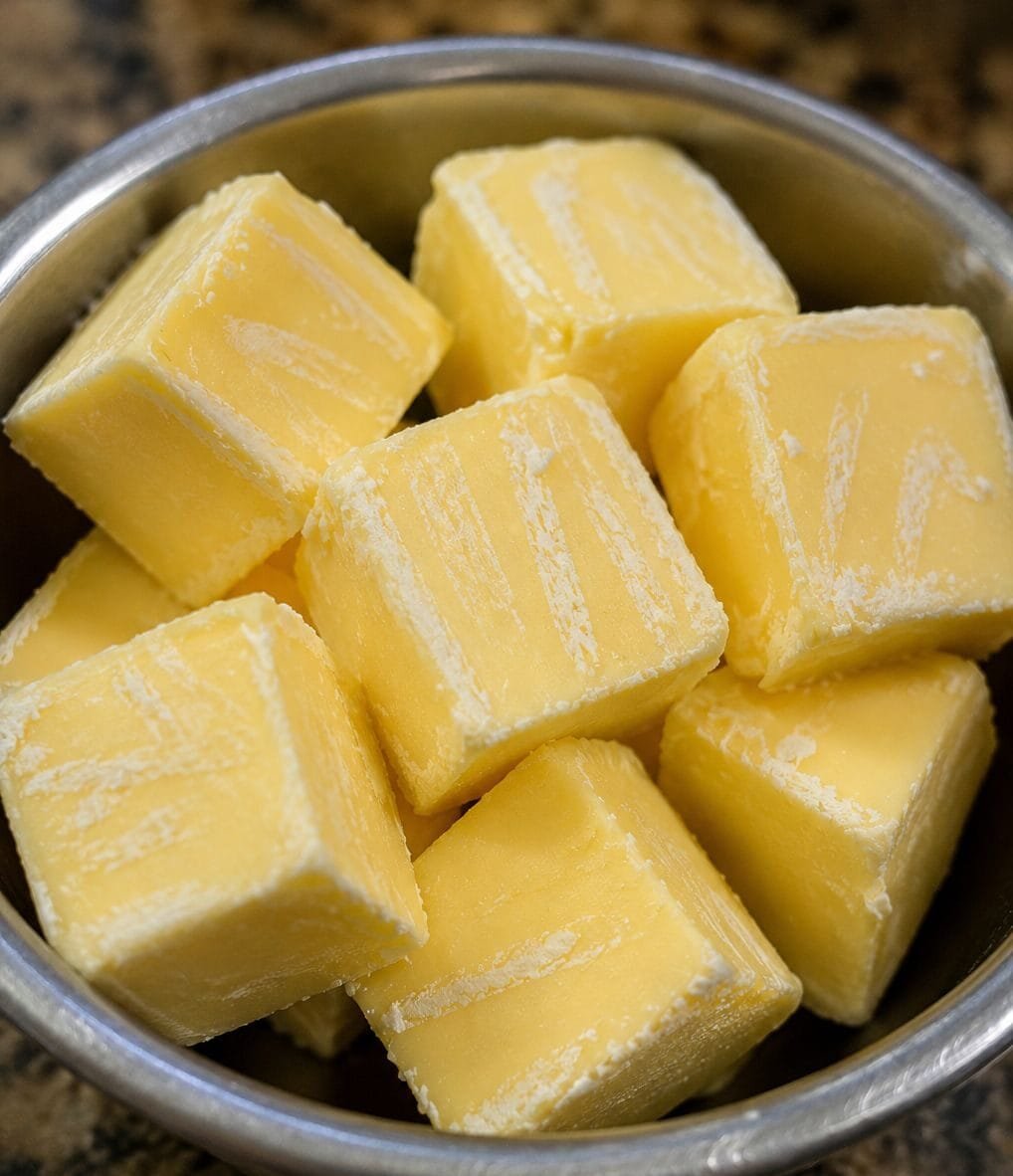
You open the refrigerator, unwrap a stick of butter, and notice something strange. Instead of the familiar creamy, slightly sweet smell, the butter has an odor that reminds you of crayons, wax, paint, or something stale.
It can be surprisingly strong—and it may leave you wondering whether the butter has gone bad or whether this unusual smell is somehow normal.
The short answer is that a distinctly crayon-like or stale odor can be a sign that the butter’s fats have undergone oxidation and developed an off-flavor or rancid odor. Butter can deteriorate in flavor and aroma during storage, especially when exposed to conditions that accelerate oxidation. Research summarized by USDA’s Agricultural Research Service has found that storage time, temperature, and packaging can affect butter’s flavor and that undesirable off-flavors can develop during storage.
So if your butter suddenly smells more like a box of crayons than something you’d spread on toast, it’s worth taking a closer look.
Why Does Butter Smell Like Crayons?
Butter contains a large amount of milk fat, and fats can change over time.
One important process is oxidation. As fats react with oxygen, they can produce compounds that change the smell and flavor of the food. In butter, this can result in stale, rancid, waxy, or otherwise unpleasant aromas.
That is why the comparison to crayons isn’t completely random. A waxy or chemical-like smell can be one way people describe butter that has developed an undesirable flavor.
USDA standards for butter recognize rancid and other objectionable odors and flavors as quality problems.
The smell may become more noticeable when butter has been stored for a long time or hasn’t been adequately protected from air, light, or temperature changes.
Does Butter Actually Go Bad?
Yes. Although butter is relatively stable compared with many fresh dairy products, it isn’t immune to deterioration.
Butter can develop unpleasant odors and flavors as it ages.
A study summarized by the USDA Agricultural Research Service found that refrigerated butter developed refrigerator/stale off-flavors during storage, while frozen butter generally took longer to develop noticeable off-flavors. The research also found that storage temperature and packaging influenced the changes.
This means the date on the package isn’t the only thing worth considering.
Your senses matter too.
If the butter looks and smells normal, that’s very different from butter that has developed a strong, unpleasant odor.
What Does Rancid Butter Smell Like?
People describe rancid or deteriorated butter in different ways.
You might notice a smell resembling:
- Crayons
- Wax
- Old oil
- Paint
- Stale dairy
- Chemicals
- A sharp or unpleasant sourness
- Something generally “off”
The exact smell can vary depending on the butter, storage conditions, and how far the deterioration has progressed.
A mild difference in aroma doesn’t automatically mean the butter is dangerous. But a strong, unmistakably unpleasant odor is a good reason not to use it.
Why Does Refrigeration Matter?
You might assume that putting butter in the refrigerator completely stops it from changing.
It doesn’t.
Cold temperatures slow many reactions, but butter can still undergo flavor changes during storage. USDA research found that refrigerated butter can develop stale or other off-flavors over time.
The refrigerator can also contain strong-smelling foods.
Butter is especially good at picking up surrounding odors because its fat can absorb aromas from the environment. If it isn’t properly wrapped or stored in a sealed container, it may start smelling like whatever else is living in your refrigerator.
That means there are actually two different possibilities when butter smells strange:
1. The butter itself has deteriorated.
2. The butter has absorbed odors from other foods.
Either way, a strong unfamiliar smell deserves attention.
Can Light and Air Affect Butter?
Yes.
Butter’s exposure to oxygen, light, temperature fluctuations, and surrounding odors can influence its quality over time.
That’s one reason keeping butter tightly wrapped or in a suitable covered container is helpful.
Leaving an uncovered stick of butter beside strongly scented foods isn’t ideal if you want to preserve its original flavor.
And repeatedly moving butter between warm and cold environments isn’t the best way to maintain quality either.
What If the Butter Looks Completely Normal?
This is where things can get confusing.
Butter doesn’t necessarily have to develop mold or dramatically change color before its flavor deteriorates.
Sometimes the smell is the first obvious clue that something has changed.
You may see perfectly normal-looking yellow butter sitting in the refrigerator, but when you bring it close, you notice a strong waxy or stale smell.
In that situation, don’t assume that the butter is fine simply because it looks normal.
Food quality isn’t determined by appearance alone.
Can You Still Bake With Butter That Smells Like Crayons?
This is a common question.
You might think that baking will “fix” the butter because it will be heated and mixed with other ingredients.
But baking isn’t a reliable way to reverse an unpleasant rancid flavor.
If the butter already has a strong off odor, using it in cookies, cakes, frosting, or pastries can transfer that flavor into the finished food.
Instead of getting buttery cookies, you may end up with baked goods that have an odd stale or waxy aftertaste.
So if the butter smells strongly unpleasant before you start baking, replacing it is generally the better choice.
How Can You Tell Normal Butter From Butter That Has Gone Off?
Start with three simple checks.
1. Smell it
Fresh butter should have a recognizable buttery aroma.
If it smells strongly waxy, rancid, chemical-like, or otherwise unpleasant, don’t ignore that.
2. Look at it
Check for anything obviously abnormal, such as visible mold or unusual contamination.
A normal appearance doesn’t guarantee perfect flavor, but visible spoilage is certainly a reason to discard it.
3. Consider how it was stored
Ask yourself:
- How long has it been open?
- Was it tightly wrapped?
- Was it exposed to refrigerator odors?
- Was it repeatedly left out and returned to the refrigerator?
- Has it been stored for a long time?
These details can help explain why the butter no longer smells fresh.
Is Crayon-Smelling Butter Safe to Eat?
If butter has developed a strong rancid or unpleasant odor, the safest practical choice is to discard it rather than trying to hide the smell or cook with it.
University of Minnesota Extension specifically advises discarding butter and margarine when rancid odors develop.
This is an important distinction:
A strange smell doesn’t necessarily mean the butter is acutely poisonous.
But once the butter has clearly developed an undesirable rancid odor, there is little reason to use it—especially when replacing a stick of butter is relatively inexpensive.
How to Store Butter and Keep It Fresh Longer
Proper storage can help preserve butter’s flavor.
Keep it covered
Don’t leave butter exposed in the refrigerator.
Use the original wrapper plus a covered butter dish or another suitable airtight container.
Keep it away from strong odors
Butter can pick up surrounding smells.
Keep it away from foods with powerful aromas whenever possible.
Avoid unnecessary temperature changes
Try not to repeatedly leave the same butter out for extended periods and then return it to the refrigerator.
Consider freezing extra butter
If you purchased more butter than you’ll use soon, freezing can extend its useful storage life.
USDA research found that frozen butter generally developed noticeable off-flavors later than refrigerated butter under the conditions studied.
What About Butter That Only Has a Slight Waxy Smell?
A subtle change doesn’t necessarily tell you exactly what happened.
It could be an early quality change, refrigerator odor absorption, packaging exposure, or simply a difference in the butter’s aroma.
But if the smell is strong enough that you immediately think “crayons,” “paint,” or “old oil,” there’s little benefit to taking chances with it.
Butter should be enjoyable—not something you have to convince yourself is okay.
The Bottom Line
If your butter suddenly smells like crayons, don’t assume you’re imagining it.
Butter contains fats that can undergo chemical changes during storage, and those changes can produce unpleasant off-flavors and odors. Storage time, temperature, packaging, and exposure to air can all influence butter quality.
A slightly different smell isn’t automatically a sign of dangerous spoilage. But a strong rancid, waxy, chemical-like, or otherwise unpleasant odor is a good reason to throw the butter away.
When in doubt, replace it. Fresh butter should smell buttery—not like something from an art supply drawer.
Frequently Asked Questions
Why does my butter smell like crayons?
A crayon-like smell can occur when butter develops an off-flavor associated with fat oxidation or storage deterioration. Butter can develop rancid or stale odors as its quality changes.
Can rancid butter make you sick?
Rancid butter is primarily a quality issue, but strongly rancid butter isn’t worth eating. If it has a clearly unpleasant odor or flavor, discard it.
Can butter absorb refrigerator smells?
Yes. Butter can pick up odors from strongly scented foods, particularly when it isn’t well covered.
Should I bake with butter that smells strange?
If the butter has a strong unpleasant or rancid smell, it’s better to replace it. Baking won’t reliably remove the underlying off-flavor.
How should I store butter?
Keep it well wrapped or in a covered container and protect it from strong odors, excessive heat, and unnecessary exposure to air.
Does freezing help butter last longer?
Freezing can slow quality deterioration. USDA research found that noticeable off-flavors generally developed later in frozen butter than in refrigerated butter under the study conditions.
SEO Title: Why Does My Butter Smell Like Crayons? Is It Safe to Eat?
Meta Description: Does your butter smell like crayons, wax, or old oil? Here’s why butter develops strange odors, how to tell if it’s rancid, and when you should throw it away.