
Look at Your Hand Right Now — Your Fingers May Reveal More Than You Think
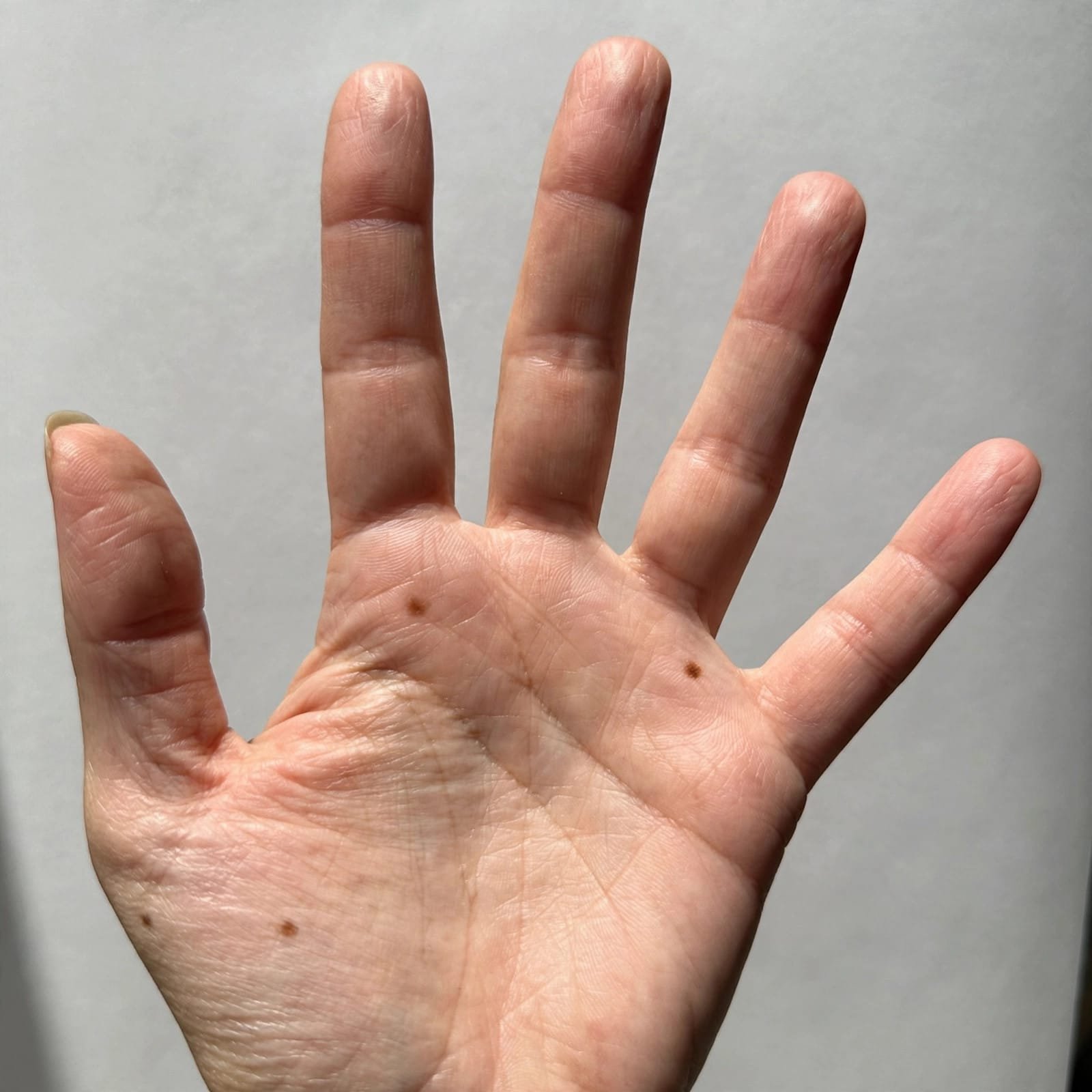
Hold your hand up and look at your index finger and your ring finger. Which one is longer? According to decades of scientific research, the answer might say something fascinating about you — from your athletic ability to your personality traits.
Scientists call it the 2D:4D digit ratio — the length of your index finger (2D) compared to your ring finger (4D). And researchers have been studying it for over 25 years.
What Is the 2D:4D Digit Ratio?
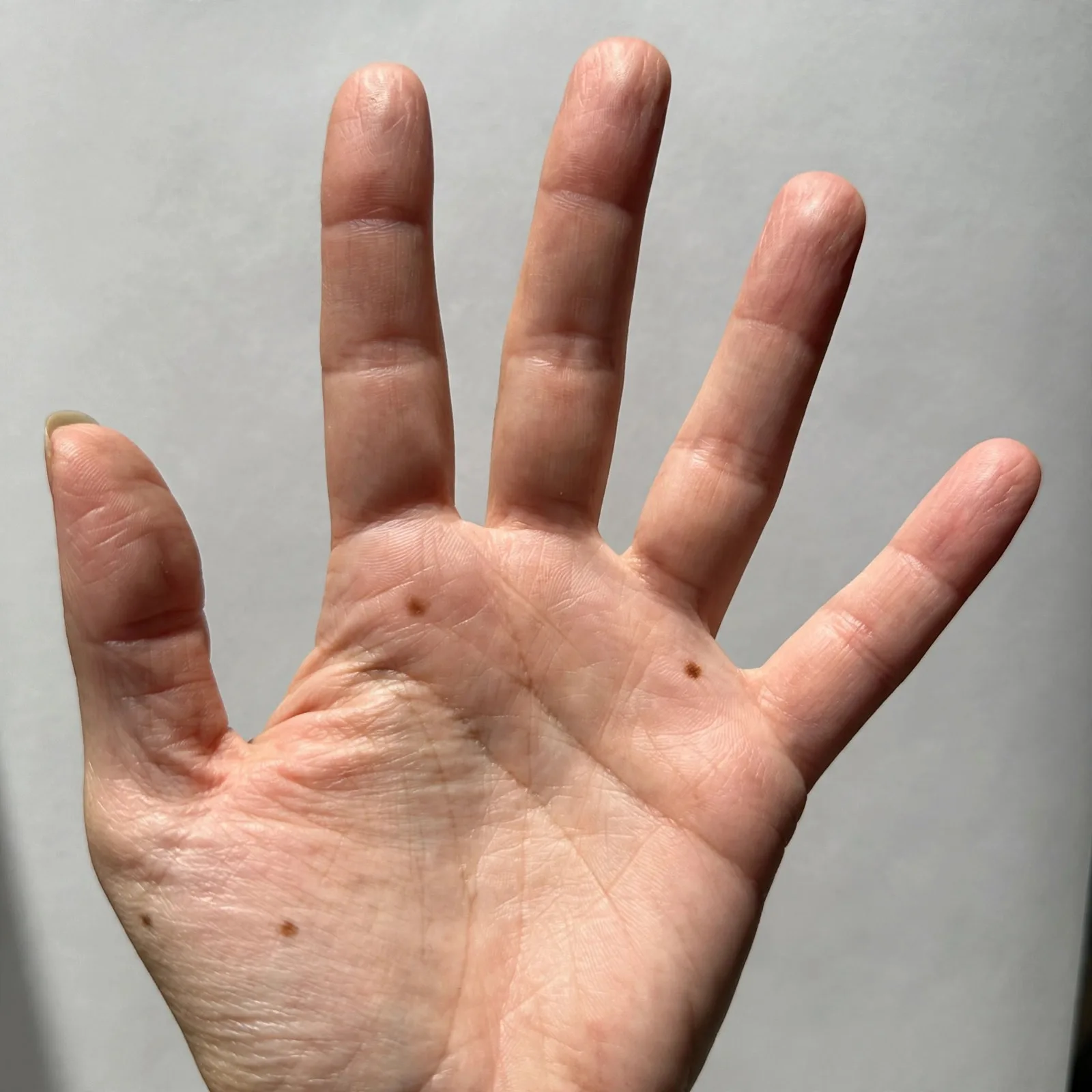
The 2D:4D ratio is simply the length of your index finger divided by the length of your ring finger. If your ring finger is longer than your index finger, you have a low 2D:4D ratio. If your index finger is longer, you have a high ratio. If they are about equal, your ratio is average.
Professor John Manning of the University of Liverpool pioneered this research in the late 1990s. His team discovered that this ratio is largely set before birth and reflects the balance of testosterone and estrogen you were exposed to in the womb. Higher prenatal testosterone tends to produce a longer ring finger relative to the index finger.
Type A: Ring Finger Longer Than Index Finger (Low Ratio)
If your ring finger clearly extends past your index finger, studies suggest you were exposed to higher levels of testosterone before birth. Research has linked this pattern to several traits:
- Athletic ability: Multiple studies, including research on professional footballers and Olympic athletes, found that a lower 2D:4D ratio correlates with better performance in sports requiring strength, speed, and endurance.
- Risk-taking: Studies on financial traders found that those with lower digit ratios tended to take bigger risks — and in some cases earned higher profits.
- Spatial skills: Research suggests a link between lower ratios and stronger abilities in navigation, map reading, and mechanical reasoning.
- Assertiveness: Some studies associate lower ratios with more competitive and assertive personality traits.
This pattern is more common in men, which aligns with generally higher prenatal testosterone exposure in males.
Type B: Index Finger Longer Than Ring Finger (High Ratio)
If your index finger is longer than your ring finger, research suggests higher prenatal estrogen exposure relative to testosterone. Studies have linked this pattern to:
- Verbal and communication skills: Some research associates higher ratios with stronger language abilities and verbal fluency.
- Empathy: Studies suggest people with higher 2D:4D ratios may score higher on measures of empathy and emotional sensitivity.
- Anxiety awareness: A few studies have found correlations between higher ratios and greater sensitivity to anxiety — though researchers stress this is a tendency, not a diagnosis.
This pattern is more common in women.
Type C: Both Fingers About Equal
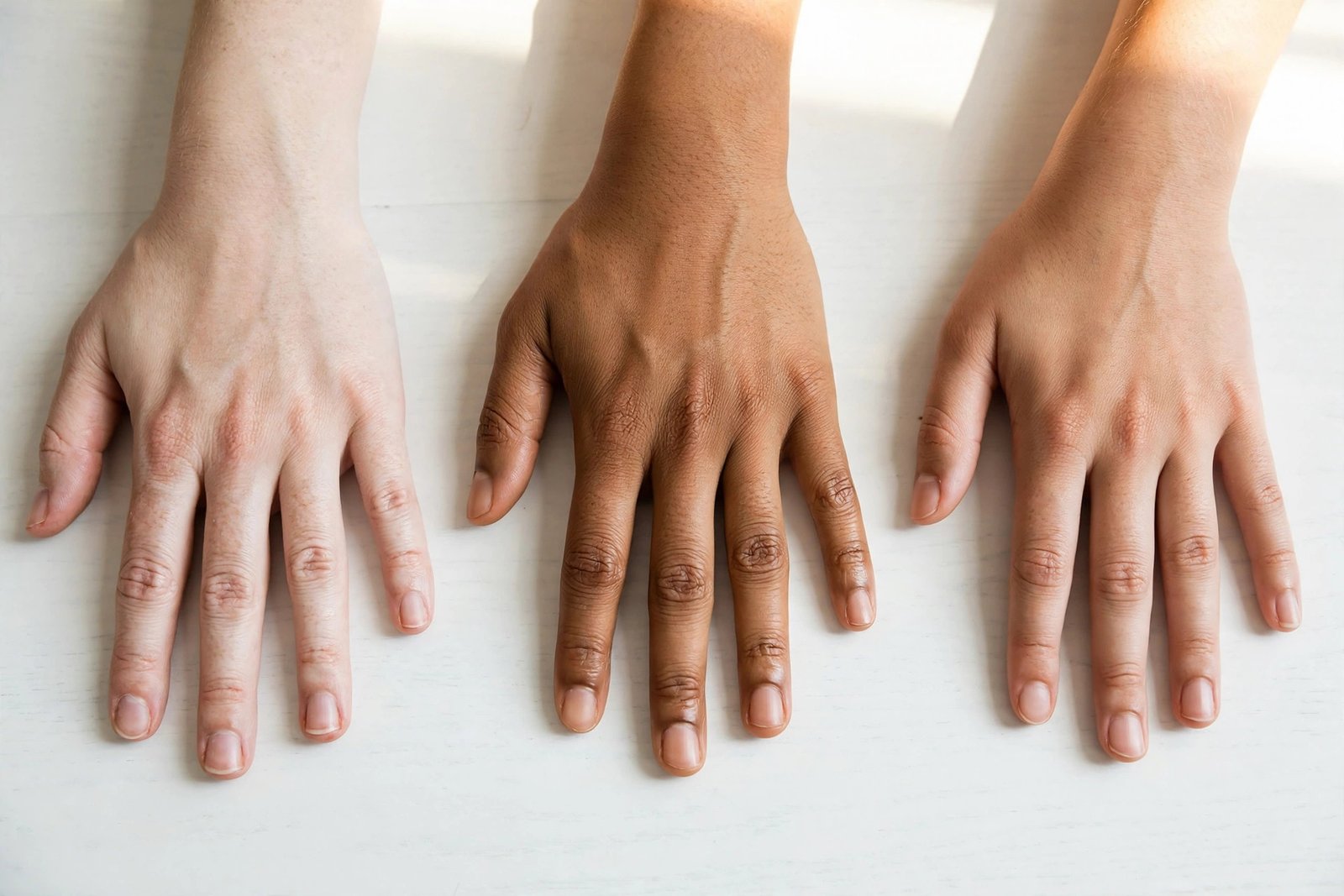
If your index and ring fingers are roughly the same length, you fall in the middle range. Researchers consider this the balanced profile — and it is the most common pattern overall. Most large population studies show the average ratio clustering around 0.98 to 1.00.
How to Measure Your Own Ratio
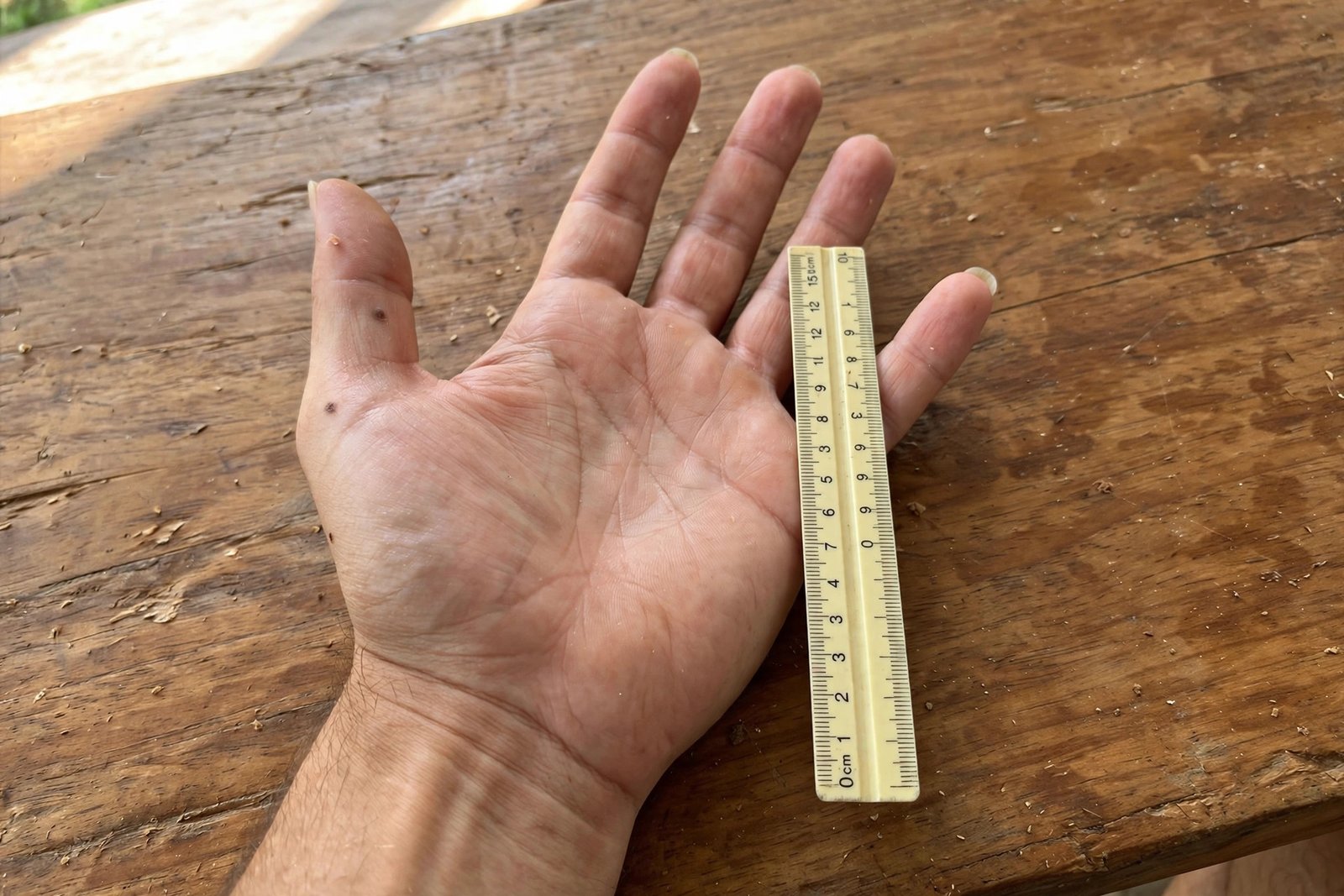
Want to check yours properly? Here is the simple method researchers use:
- Place your hand flat on a table, palm facing up.
- Measure from the crease at the base of your index finger to its tip.
- Do the same for your ring finger.
- Divide the index finger length by the ring finger length.
A result below 1.0 means your ring finger is longer. Above 1.0 means your index finger is longer. For the most accurate reading, measure the right hand — studies show the right hand tends to show stronger correlations.
What the Science Actually Says — and Its Limits
It is important to be honest about what this research can and cannot tell you. The 2D:4D ratio shows statistical correlations across large groups of people — it does not determine your destiny as an individual. The effect sizes in most studies are modest, and many traits are shaped far more by your upbringing, environment, habits, and choices than by prenatal hormone exposure.
Some findings have also been debated. Replication studies have produced mixed results for certain claims, and researchers continue to refine their understanding. The digit ratio is best viewed as one small piece of a much larger puzzle — interesting, but not a fortune teller.
Why This Fascinates Scientists
What makes the 2D:4D ratio so intriguing to researchers is that it offers a visible, permanent marker of something invisible — the hormonal environment of the womb. Most prenatal influences leave no outward trace. Your fingers, it turns out, may carry a quiet record of your earliest development.
New studies continue to explore links between digit ratio and everything from musical ability to disease risk. Whether or not every claim holds up, the basic finding — that finger proportions reflect prenatal hormones — is well established.
Frequently Asked Questions
Does finger length really predict personality?
Not exactly. Studies show correlations between digit ratio and certain traits across large populations, but the effects are modest. Your fingers do not define your personality — they are one small clue among many.
Which hand should I check?
Researchers typically measure the right hand, as it tends to show stronger correlations in studies. But you can check both — many people have slightly different ratios on each hand.
Can the ratio change over time?
No. The 2D:4D ratio is set before birth and remains stable throughout life. That is what makes it useful to scientists as a marker of prenatal conditions.
Is a low ratio better than a high ratio?
Neither is better. Each pattern is simply associated with different tendencies. There is no ideal finger length ratio.
Do men and women have different ratios?
On average, yes. Men tend to have lower ratios (longer ring fingers) and women tend to have higher ratios, reflecting average differences in prenatal hormone exposure. But there is wide overlap between the sexes.
Is this real science or just a myth?
It is real, peer-reviewed science — hundreds of published studies exist on the 2D:4D ratio. However, individual claims vary in how strongly they are supported, and the field continues to evolve.
Final Thoughts
So — which type are you? Take a look at your hand. Whether your ring finger stretches past your index finger or the reverse, you are looking at a small record of your earliest days, written in bone and tissue long before you were born.
Science may still be unraveling exactly what it all means, but one thing is certain: the human body hides its history in the most unexpected places — sometimes right at your fingertips.