
Your Phone Screen Is Dirtier Than a Toilet Seat — and It Causes More Than You Think
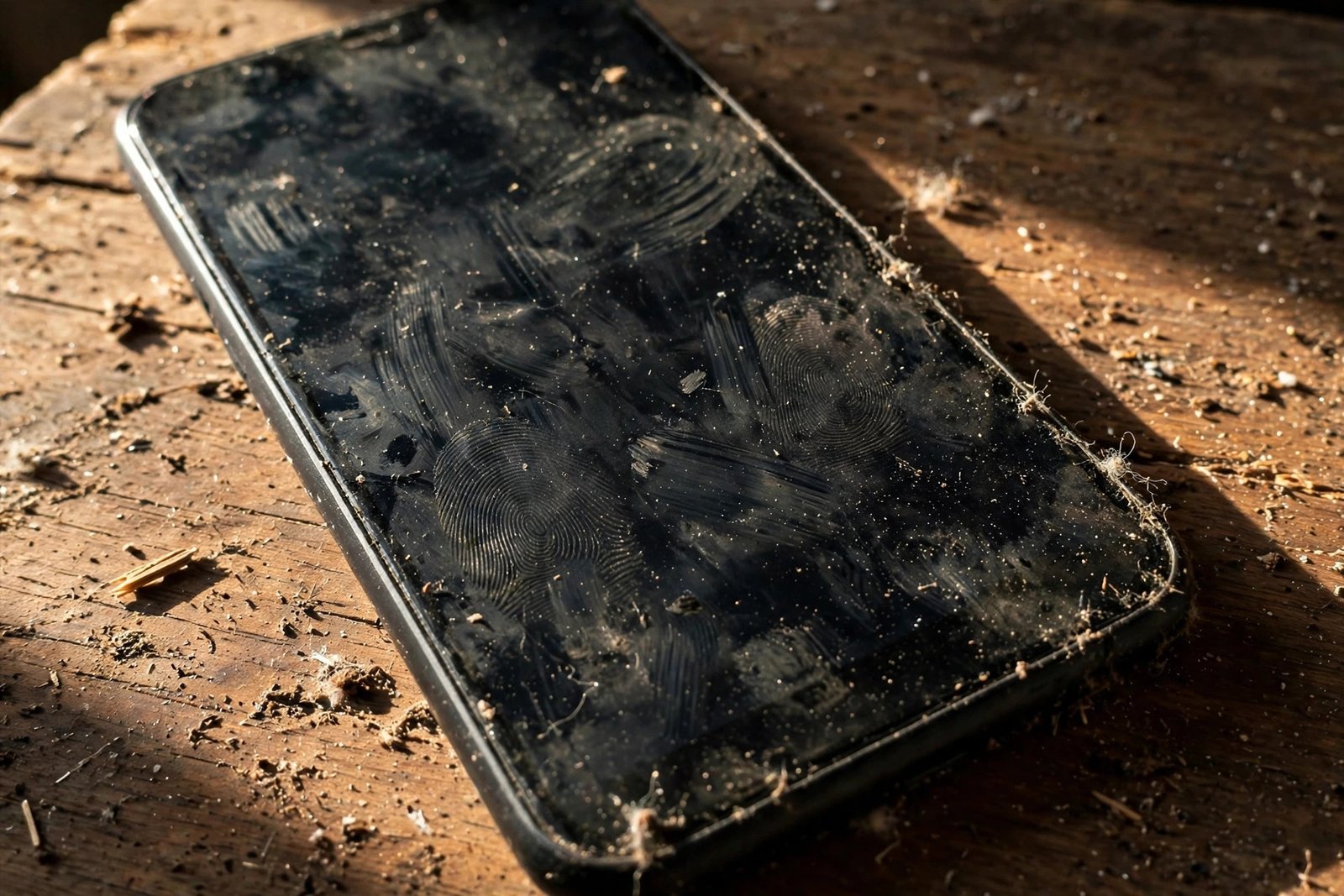
Think about it: when was the last time you cleaned your phone screen? If you are like most people, the answer is “never” or “I can’t remember.” Now consider this — the average smartphone carries ten times more bacteria than a toilet seat. And you press it against your face every single day.
Scientists have been swabbing phones for years, and the results are consistently stomach-turning. Let us look at what is really living on that glass.
The Shocking Science
Researchers at the University of Arizona found that cell phones carry ten times the bacteria of most toilet seats. A separate study by Deloitte revealed that the average person checks their phone dozens of times a day — each touch transferring oils, sweat, and microbes onto the screen, and each call pressing that cocktail directly against the cheek and mouth.
Your phone goes everywhere with you: the kitchen, the bathroom, the gym, restaurants. Every surface it touches leaves something behind. Unlike your hands, which you wash, your phone almost never gets cleaned.
What Germs Are Living on Your Phone?
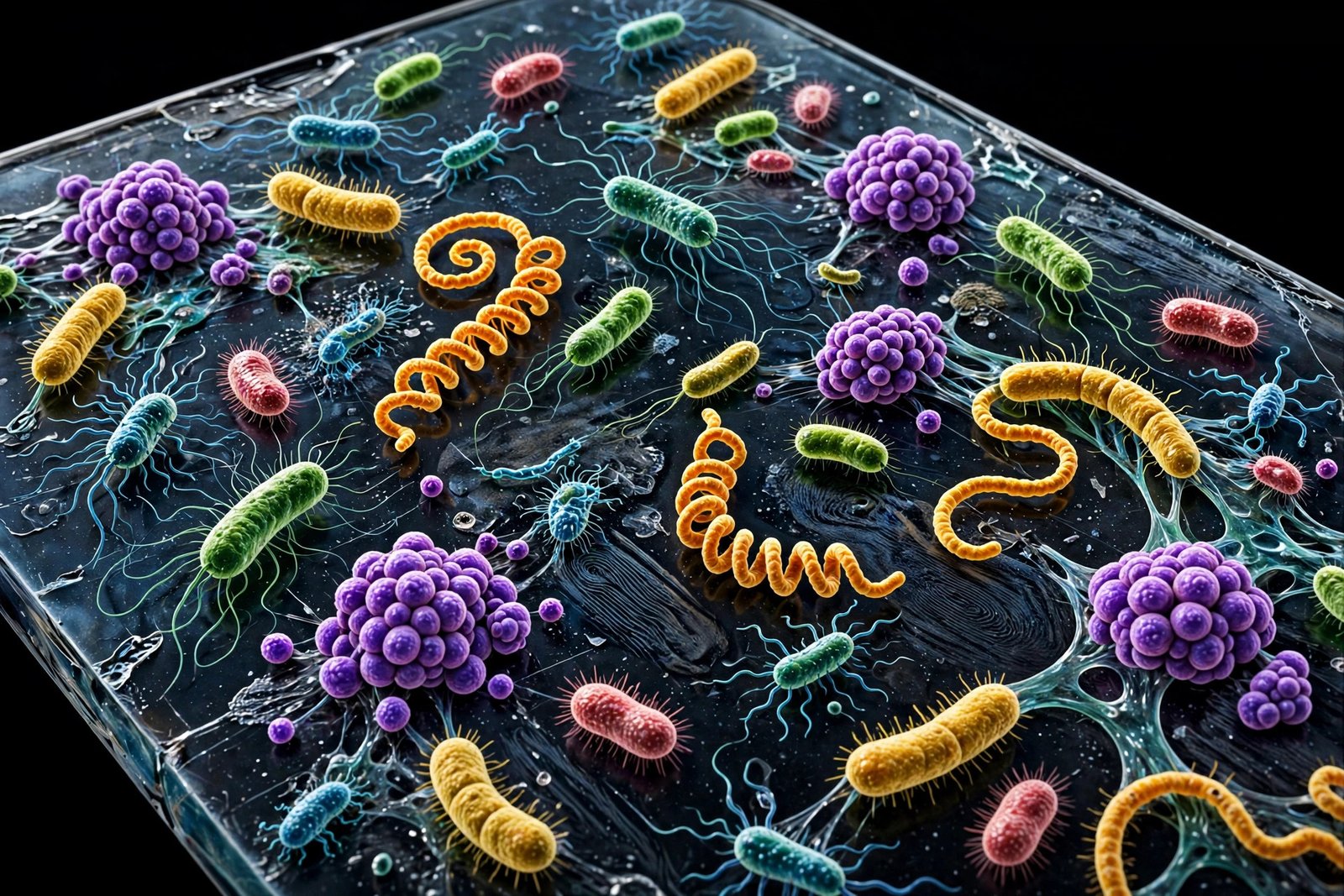
Laboratory analyses of phone screens have identified a rogue’s gallery of microorganisms:
- Staphylococcus: Common skin bacteria that can cause infections if it enters through cuts or irritated skin.
- E. coli: Yes, the bacteria associated with fecal contamination — found on a significant percentage of phones tested, a sign that phones travel into bathrooms.
- Streptococcus: Can contribute to throat and skin issues.
- Mold and yeast: Thrive in the warm, slightly moist environment of a phone kept in a pocket.
One study even found that 92% of phones tested carried potentially harmful bacteria.
What It Causes: The Problems You Did Not Connect to Your Phone
1. Skin Breakouts and “Phone Acne”
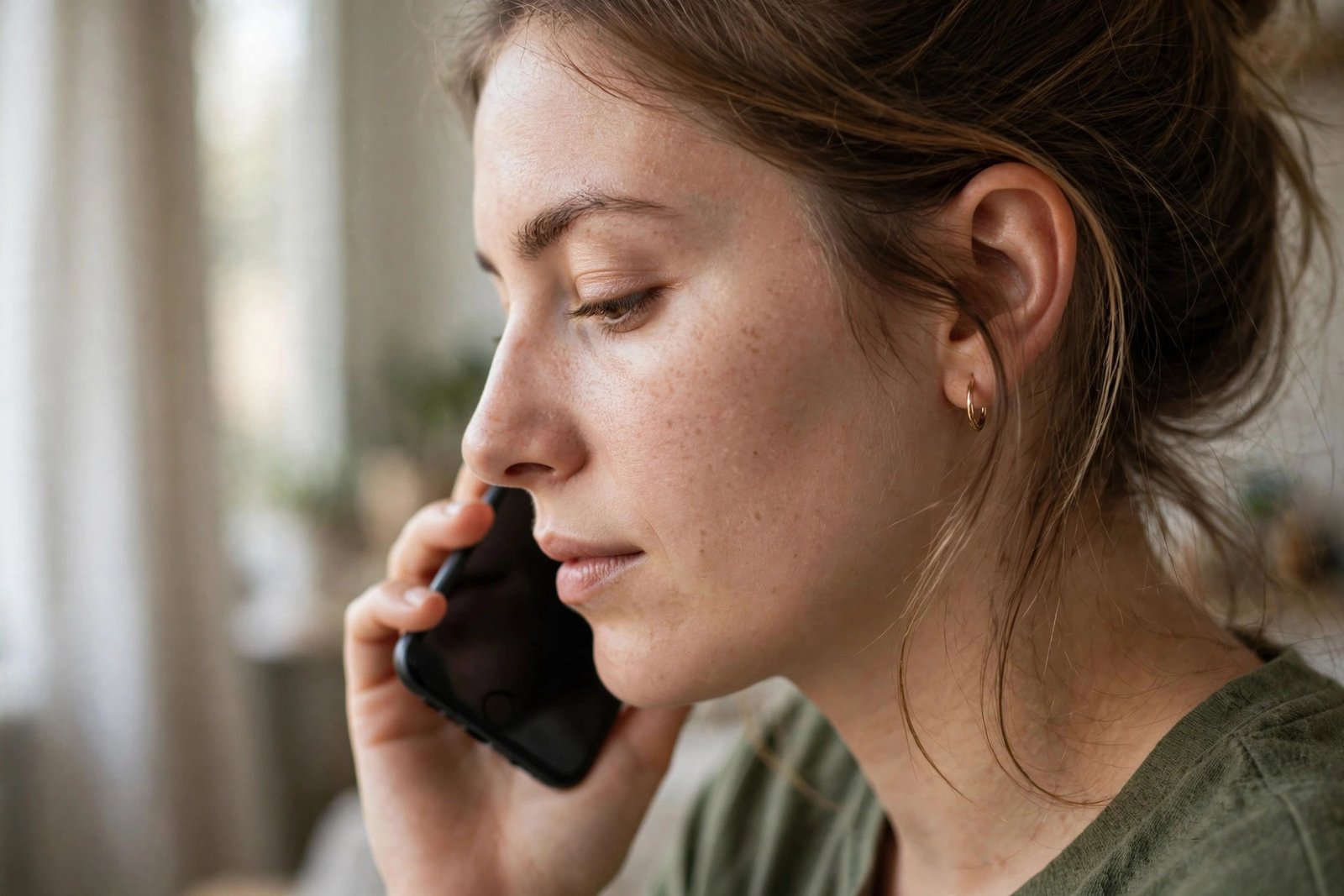
Dermatologists have a name for it: breakouts concentrated along the cheek and jawline, exactly where the phone rests during calls. The combination of bacteria, trapped heat, and friction clogs pores and triggers inflammation. If you get pimples mostly on one side of your face — the side you hold your phone — this is likely why.
2. Eye Irritation
Touching your phone and then rubbing your eyes transfers bacteria directly to one of the most vulnerable parts of your body. This can contribute to styes and conjunctivitis-like irritation.
3. Cold and Flu Transmission
Viruses can survive on glass and plastic surfaces for hours. Every time you touch your phone after touching a door handle or handrail, then touch your face, you complete the chain.
4. Allergic Reactions
Nickel and other metals in phone casings, combined with bacterial buildup, can trigger contact dermatitis — red, itchy patches where the phone touches the skin.
How to Clean Your Phone Properly
The good news: fixing this takes less than a minute. Here is what experts recommend:
- Power off your phone and remove the case.
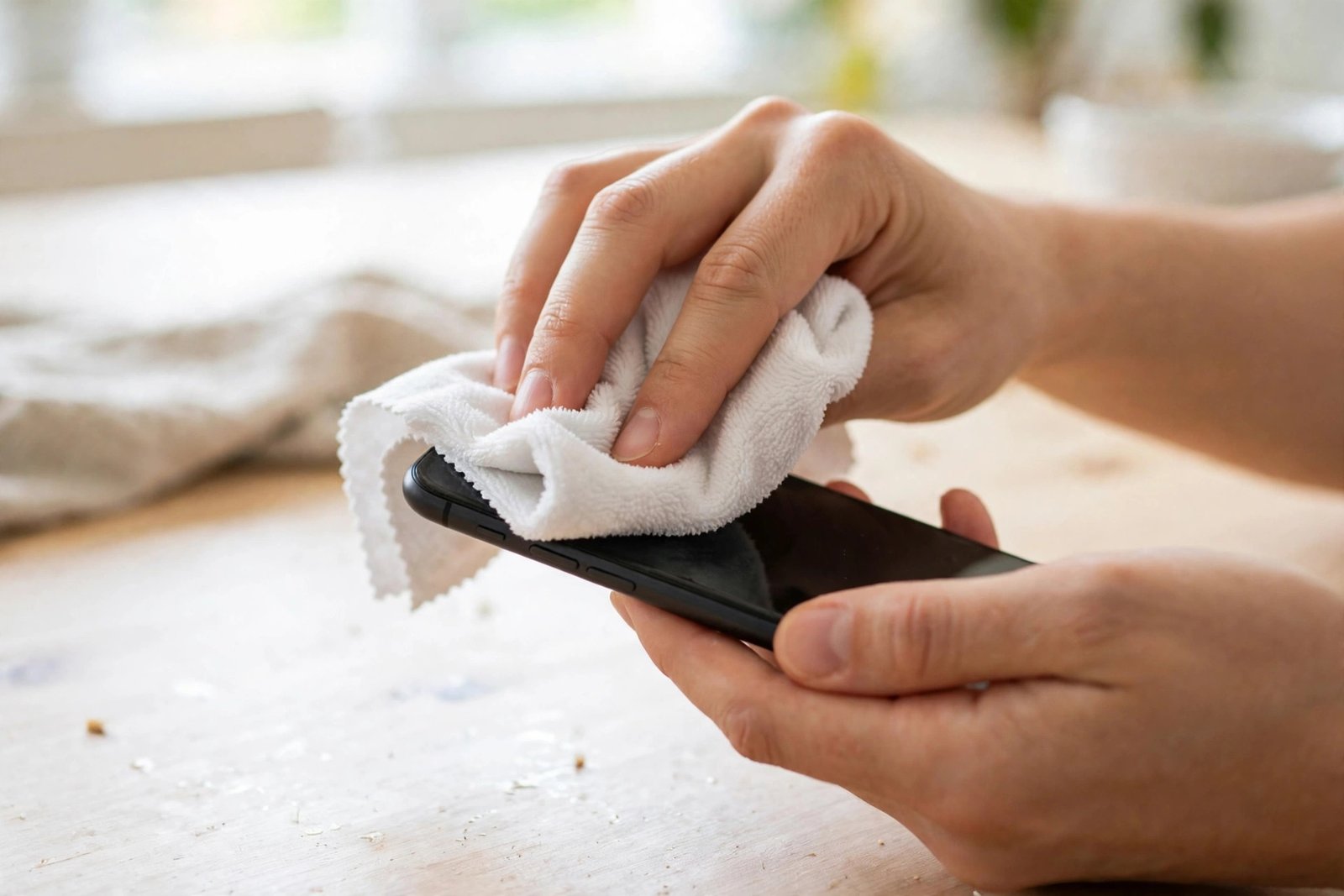
- Use a microfiber cloth slightly dampened with water and a tiny drop of gentle soap — or a 70% isopropyl alcohol wipe.
- Wipe the screen and the back thoroughly, including the edges where grime collects.
- Clean the case separately — cases trap even more bacteria than the phone itself.
- Repeat daily, or at least a few times a week.
Avoid harsh cleaners, bleach, or spraying liquid directly onto the phone. And never put your phone in the dishwasher or microwave — yes, people have tried.
Simple Habits That Make a Big Difference
- Stop taking your phone into the bathroom. This single change dramatically reduces contamination.
- Wash your hands before long calls or use speakerphone and earbuds instead of pressing the phone to your face.
- Do not share your phone casually — every new hand adds new bacteria.
- Clean earbuds too — they collect earwax and bacteria just like the phone collects skin oils.
Frequently Asked Questions
Is it really true that phones are dirtier than toilet seats?
Multiple studies, including research from the University of Arizona, have found that phones carry roughly ten times more bacteria than a typical toilet seat. Toilet seats are regularly disinfected; phones almost never are.
Can a dirty phone actually make me sick?
A dirty phone increases your exposure to bacteria and viruses, especially when you touch your face, eyes, or mouth after handling it. It is one link in the chain — good hygiene breaks it.
How often should I clean my phone?
Experts recommend wiping it down daily, or at minimum several times a week. If you have been sick, clean it immediately.
Will alcohol wipes damage my screen?
A 70% isopropyl alcohol wipe is safe for most modern phones and is recommended by major manufacturers. Avoid bleach, ammonia-based cleaners, and abrasive cloths.
Does a phone case make it worse?
Cases can trap moisture and bacteria against the phone. Clean your case as often as the phone itself — or more often.
What about “phone acne” — is that real?
Dermatologists recognize it: breakouts along the cheek and jawline on the side where you hold your phone, caused by bacteria, heat, and friction. Regular cleaning and speakerphone use help.
Final Thoughts
Your phone is the one object you touch more than almost anything else you own — and the one you clean the least. Now you know what is living on it and what it can cause.
The fix is simple: a microfiber cloth, a minute of your time, and one new rule — the phone stays out of the bathroom. Your skin will thank you.